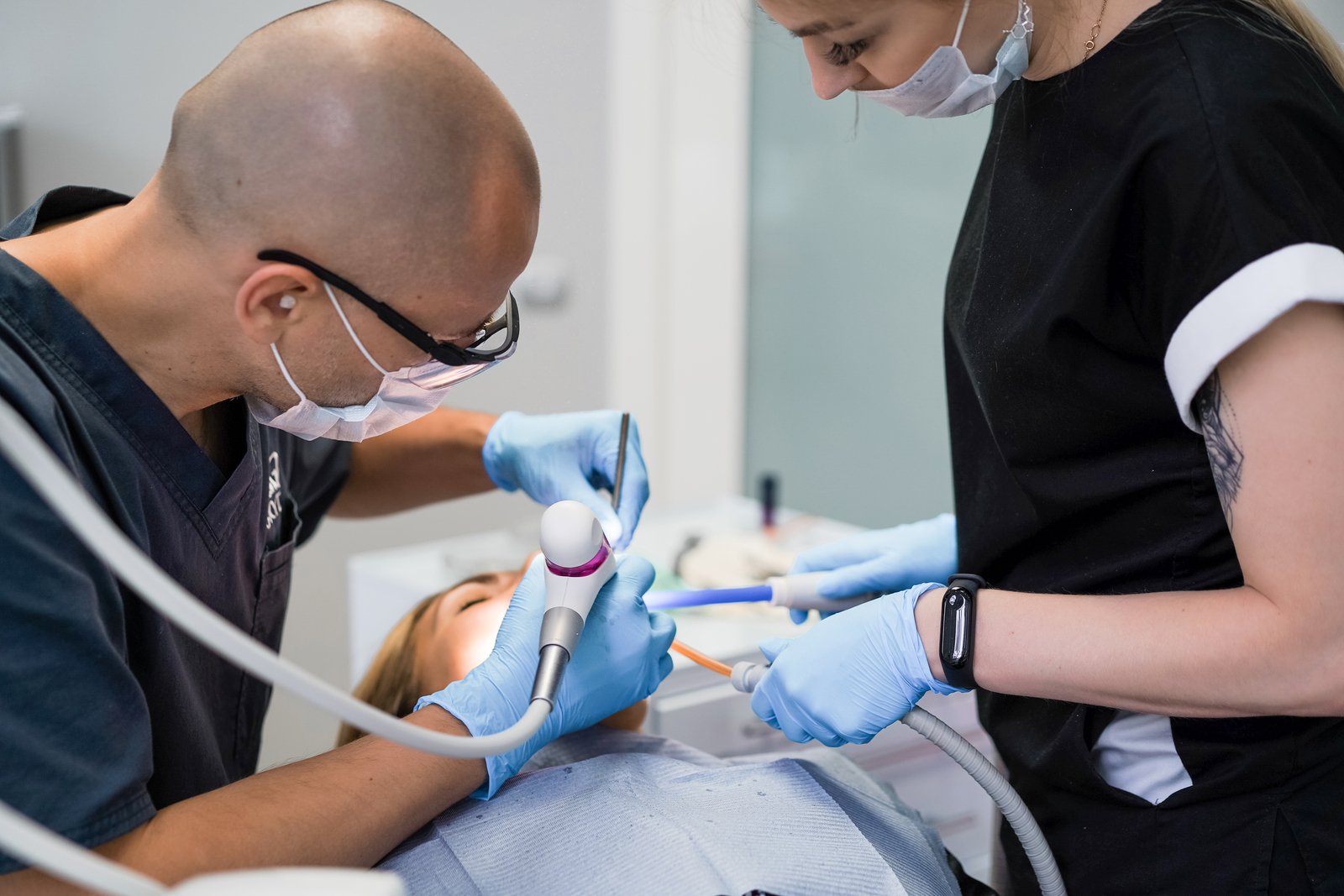
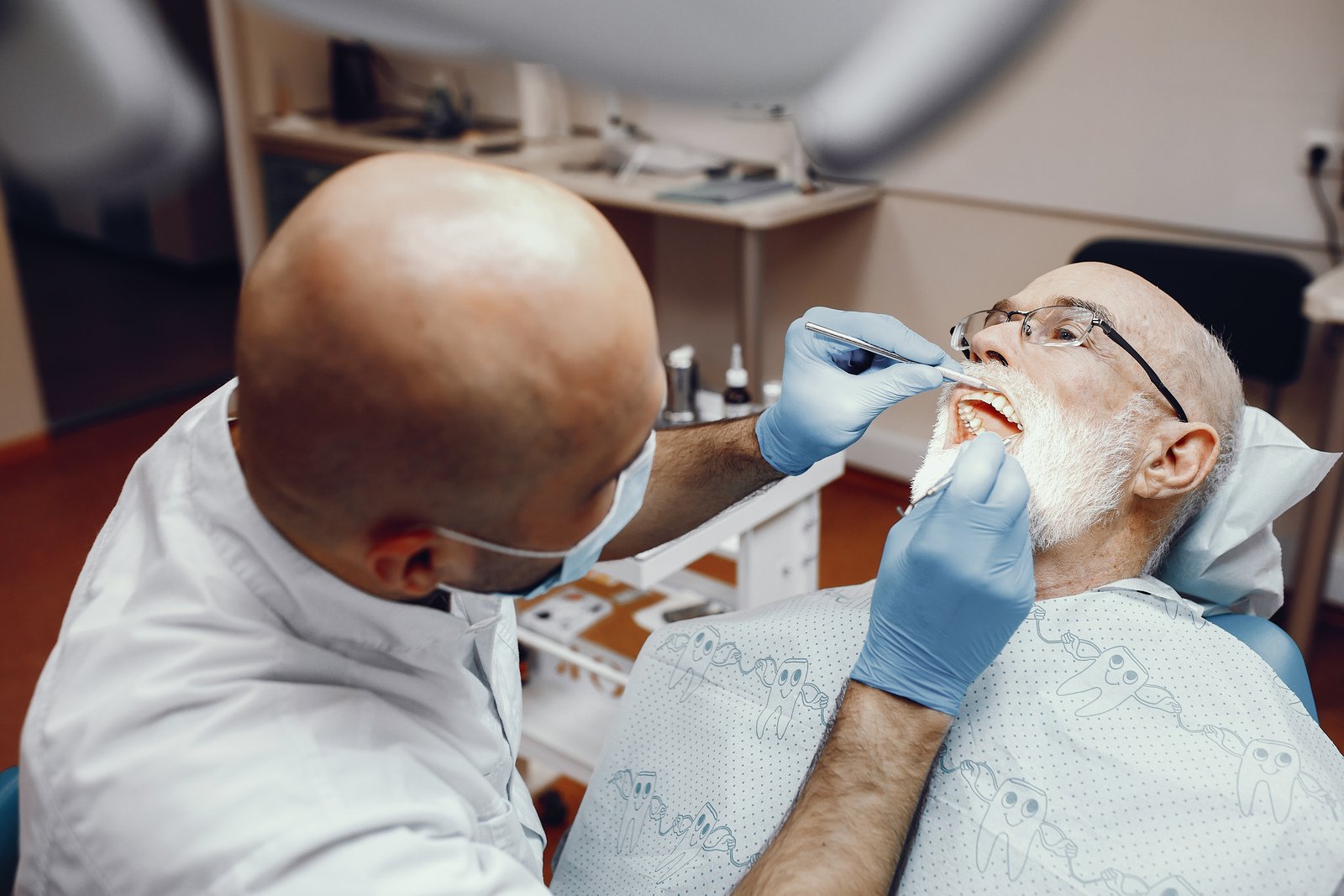
Emergency dental problems can occur at any time of the year; however, it is the elderly who need more dental help, as they have special needs when it comes to their dental care. Weakened teeth and gums, and even cracking teeth, and medications related to weakened gums and teeth can cause older adults to require even more special and emergency care. Calling an Emergency Dentist Carlisle PA will help maintain their health by stopping the pain and eliminating further problems.
As people age, their dental health quickly declines and can even impact the way they eat and talk. This deterioration can even affect their overall health and wellness. In the following guide, we will focus on why emergencies in the dental field can occur more in the elderly, the dangers to look out for, the treatment options that are available, and some of the best ways to keep their smiles bright and healthy.
What Is Emergency Dentistry for Seniors?
Emergency dentistry focuses on diagnosing and treating urgent dental issues that require immediate attention. For seniors, these emergencies may involve damaged teeth, infections, broken dentures, severe toothaches, lost restorations, or oral injuries caused by falls.
As people age, natural wear and tear, chronic health conditions, and certain medications can affect oral health. This makes prompt treatment from an Emergency Dentist in Carlisle PA essential when unexpected dental problems arise.
Emergency dental care aims to:
- Relieve pain and discomfort
- Prevent infections from spreading
- Save damaged teeth whenever possible
- Restore oral function and appearance
- Protect overall health and well-being
Why Emergency Dental Care Matters for Seniors
Oral health is closely connected to overall health, especially in older adults. Untreated dental emergencies can lead to serious complications, including difficulty eating, nutritional deficiencies, and systemic infections.
Seniors may also have conditions such as diabetes, heart disease, osteoporosis, or mobility limitations that can make dental problems more complex. Early intervention helps reduce risks and improve treatment outcomes.
People who benefit most from emergency dental care include:
- Adults over age 65
- Individuals with dentures or dental implants
- Seniors taking multiple medications
- Patients with gum disease
- Those with chronic health conditions
Common Dental Emergencies Seniors Face
1. Severe Toothaches
Persistent tooth pain often signals an underlying issue such as decay, infection, or a cracked tooth. Seniors should never ignore ongoing discomfort, especially if swelling accompanies the pain.
2. Broken or Fractured Teeth
Years of wear, weakened enamel, and existing dental work can make teeth more vulnerable to fractures. Even a minor crack can expose sensitive inner structures and increase the risk of infection.
3. Gum Infections and Abscesses
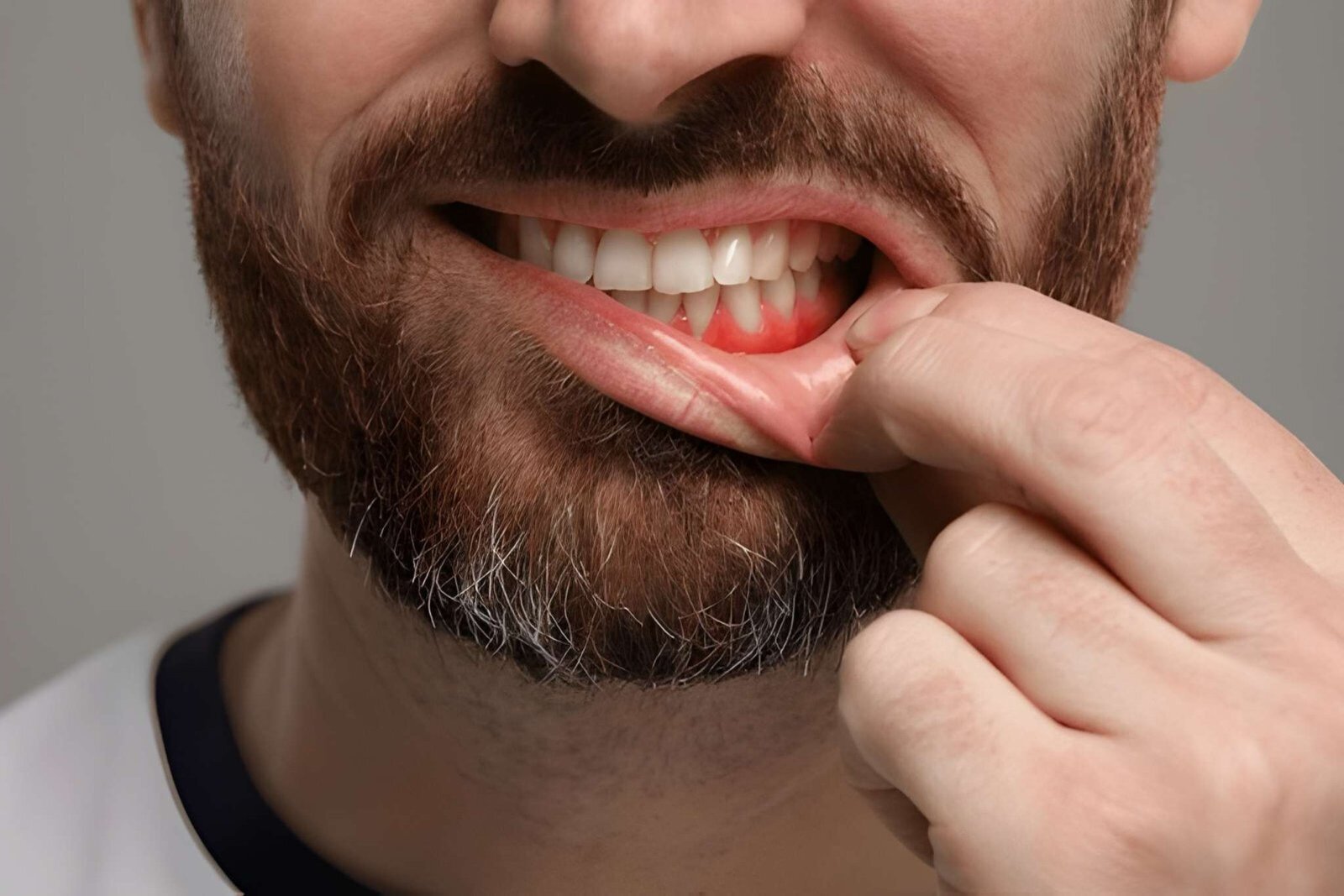
Gum disease becomes more common with age. If bacteria enter deep tissues, an abscess can develop and cause significant pain, swelling, and potential health complications.
4. Lost Fillings or Crowns
Older dental restorations may loosen over time. A missing crown or filling leaves the tooth exposed and vulnerable to further damage.
5. Denture-Related Problems
Ill-fitting or damaged dentures can cause pain, sores, and difficulty eating. Emergency dental visits help address these issues before they affect daily quality of life.
Many seniors researching urgent oral health situations often come across educational resources discussing 10 Common Dental Emergencies That Require Immediate Emergency Dentistry to better understand when prompt treatment is necessary and when delaying care could lead to more serious complications.
How Falls and Injuries Increase Dental Risks
Falls are one of the leading causes of injury among older adults. A simple fall can result in:
- Chipped teeth
- Broken dental restorations
- Jaw injuries
- Soft tissue damage
- Tooth displacement
In severe situations involving facial trauma, a dentist may coordinate with specialists providing Oral and Maxillofacial Surgery in Carlisle PA to address fractures, complex injuries, or advanced reconstructive needs.
When a Dental Emergency May Actually Be a Medical Emergency
One reality many seniors don’t realize is that some symptoms that appear dental-related may actually require immediate medical attention.
1. Facial Swelling That Affects Breathing
A severe dental infection can spread into facial tissues and the neck. If swelling begins affecting breathing or swallowing, emergency medical care is needed immediately.
2. Jaw Pain That Mimics Heart Problems
In some cases, heart-related pain can be mistaken for a toothache or jaw discomfort. Seniors experiencing chest pain, shortness of breath, or unusual jaw pain should seek medical evaluation.
3. Signs of Serious Infection
Symptoms such as fever, confusion, severe swelling, and rapid heartbeat may indicate a spreading infection that requires urgent treatment.
Understanding these warning signs can help seniors and caregivers make safer healthcare decisions.
Why the Same Dental Emergency Can Have Different Treatment Plans
One of the biggest misconceptions about emergency dentistry is that every patient receives the same treatment. In reality, treatment often depends on the individual’s overall health.
| Situation | Possible Impact on Treatment |
| Diabetes | Slower healing and increased infection risk |
| Blood Thinners | Additional precautions during procedures |
| Osteoporosis Medications | May affect extraction planning |
| Dental Implants | Require specialized evaluation |
| Chronic Illnesses | Influence treatment timing and approach |
This personalized approach is one reason why an experienced Emergency Dentist in Carlisle PA, carefully reviews a senior’s medical history before recommending treatment.
Treatment Options for Senior Dental Emergencies
1. Pain Management
The first priority is often reducing discomfort through appropriate medications and treatment of the underlying issue.
2. Restorative Dentistry
Common restorative solutions include:
- Dental fillings
- Crowns
- Bridges
- Denture repairs
- Implant restoration
These treatments help restore normal chewing and speaking functions.
3. Infection Control
Dental infections may require:
- Drainage procedures
- Antibiotic therapy
- Root canal treatment
- Tooth extraction when necessary
Early intervention often prevents more invasive procedures.
4. Surgical Care
Some emergencies require advanced treatment. Specialists offering Oral and Maxillofacial Surgery may assist with severe infections, jaw injuries, impacted teeth, or oral pathology concerns when standard dental treatment alone is insufficient.
In more complex cases, Oral and Maxillofacial Surgery in Carlisle PA may be necessary to address facial trauma, severe infections, or jaw-related complications that cannot be treated through routine emergency dental procedures.
The Hidden Connection Between Medications and Dental Emergencies
1. Dry Mouth
Certain medications can reduce saliva production, increasing the risk of:
- Cavities
- Gum disease
- Oral infections
- Tooth sensitivity
2. Increased Bleeding Risk
Blood-thinning medications can affect treatment planning and recovery after dental procedures.
3. Slower Healing
Some medications may slow the body’s natural healing response, making prompt treatment even more important when dental emergencies occur.
These factors highlight why a complete medical history is essential during emergency dental visits.
Advanced Considerations for Seniors With Dental Implants and Previous Dental Work
1. Implant-Related Emergencies
A loose implant is different from a loose crown and requires specialized evaluation.
2. Failed Root Canals
An older root canal may occasionally develop a new infection years after treatment.
3. Fractured Crowns
Crowns can crack or loosen over time, exposing vulnerable tooth structures beneath them.
Dentists often evaluate both the restoration and the underlying tooth before determining the best treatment approach.
Common Misconceptions About Senior Dental Emergencies
| Myth | Reality |
| Tooth loss is a normal part of aging. | Healthy teeth can last a lifetime with proper care. |
| Minor dental pain can wait. | Even mild pain may indicate serious problems. |
| Denture wearers don’t need emergency dental care. | Denture-related issues can require urgent treatment. |
| Every toothache needs antibiotics. | Many dental problems require treatment rather than medication alone. |
Best Practices for Preventing Dental Emergencies
While not every emergency can be prevented, seniors can reduce their risk by following a few simple habits.
1. Maintain Regular Dental Checkups
Routine visits allow dentists to detect potential problems before they become emergencies.
2. Stay Hydrated
Many medications cause dry mouth, increasing the risk of decay and infection.
3. Wear Properly Fitted Dentures
Poorly fitting dentures can create sores and contribute to oral health problems.
4. Address Dental Problems Early
Do not ignore:
- Tooth sensitivity
- Swollen gums
- Loose teeth
- Persistent pain
- Changes in bite alignment
5. Practice Good Oral Hygiene
Daily brushing and flossing remain essential regardless of age.
Many providers associated with family dentistry emphasize preventive care because early treatment often helps patients avoid costly emergency procedures later.
Patients who regularly visit a trusted carlisle family dentistry provider are often more likely to identify oral health concerns before they develop into serious emergencies.
Frequently Asked Questions
1. When should a senior visit an emergency dentist?
A senior should seek immediate dental care for severe pain, swelling, bleeding, trauma, knocked-out teeth, or signs of infection.
2. Can dental infections affect overall health?
Yes. Untreated infections may spread and contribute to serious health complications, especially for individuals with underlying medical conditions.
3. Are seniors more likely to experience dental emergencies?
Older adults may face increased risk due to age-related oral changes, medication use, gum disease, and a higher likelihood of falls.
4. What happens during an emergency dental appointment?
The dentist evaluates the problem, takes necessary images, relieves pain, and develops an appropriate treatment plan.
5. Can dentures be repaired during an emergency visit?
Many denture-related issues can be addressed quickly depending on the extent of the damage.
6. Is oral surgery ever necessary during a dental emergency?
In certain cases involving trauma, severe infection, or jaw injuries, treatment may involve specialists experienced in Oral and Maxillofacial Surgery in Carlisle PA.
Conclusion
Dental emergencies can be especially challenging for seniors due to age-related oral health changes, chronic medical conditions, and medication-related complications. Understanding the warning signs and seeking prompt care from an Emergency Dentist in Carlisle PA can help prevent complications, preserve oral health, and improve quality of life.
Whether dealing with a painful toothache, a broken restoration, an implant issue, or an unexpected injury, timely treatment is essential. Working with experienced providers, including specialists in Oral and Maxillofacial Surgery in Carlisle PA when needed, ensures seniors receive appropriate care for both routine and complex emergencies.
If you or a loved one needs emergency dental care, don’t delay treatment. Contact our team today to schedule an appointment and get the professional care you deserve. Our experienced providers are here to help you maintain a healthy, comfortable smile at every stage of life.
Learn More : Laser Dentistry vs Traditional: Painless Treatment Comparison