
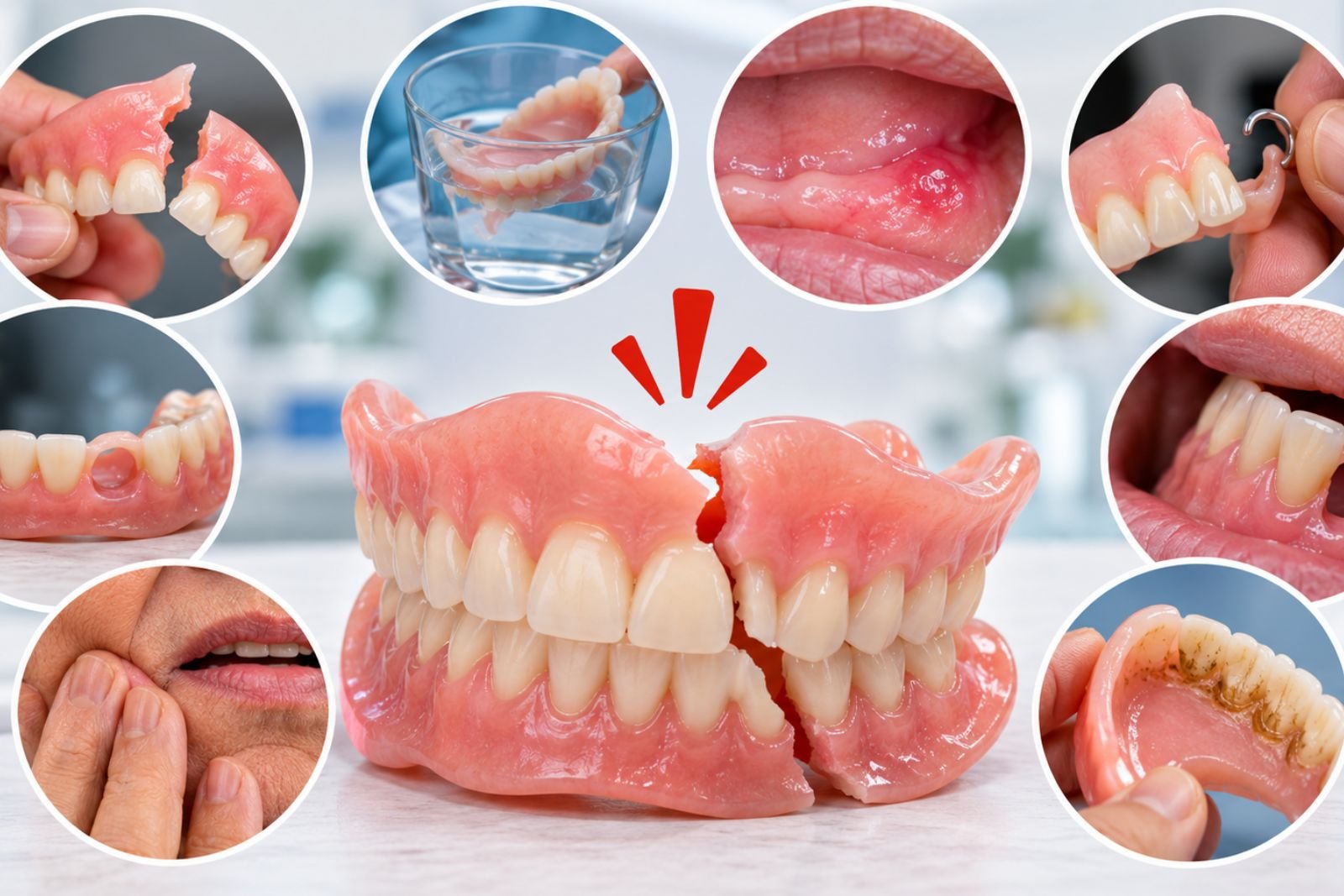
Dentures help millions of people eat, speak, and smile with confidence. But what happens when a denture suddenly breaks, becomes loose, or starts causing serious pain? A small problem can quickly turn into a stressful situation, especially when it affects your ability to eat or speak comfortably.
If you wear dentures in Carlisle, knowing which problems need urgent dental care can help you avoid further discomfort and complications.
Not every denture problem is an emergency. A minor adjustment may wait for a regular appointment, while severe pain, uncontrolled bleeding, or a swallowed denture component may require immediate attention.
This guide explains seven common denture emergencies, what causes them, how to respond safely, and when to contact a dental professional.
What Is Considered a Denture Emergency?
A denture emergency involves damage, discomfort, or a complication that requires prompt professional attention to protect your oral health or restore essential function.
Common concerns include broken dentures, painful pressure sores, sudden fit changes, and damaged implant-supported attachments.
However, the urgency depends on your symptoms.
For example, a small denture crack without pain may need a prompt repair appointment. Severe swelling, significant bleeding, or difficulty breathing requires a much faster response.
An emergency dentist in Carlisle, PA can examine your mouth, assess denture damage, and determine whether you need repair, adjustment, replacement, or treatment for an underlying dental condition.
The important rule is simple: don’t ignore persistent pain or try risky repairs at home.
7 Denture Problems That May Need Urgent Dental Attention
Denture problems can happen unexpectedly, causing pain, discomfort, or difficulty eating and speaking. Here are seven common denture problems that may require prompt dental attention.
1. Broken or Cracked Dentures
Dentures can crack or break after a fall, accidental impact, or repeated stress during normal use.
Even a small fracture can weaken the appliance and affect how it fits.
Common warning signs include:
- Visible cracks in the denture base.
- A denture that separates into pieces.
- Sharp or rough edges.
- Sudden changes in how the denture sits.
- Discomfort while chewing.
A broken denture may irritate your gums or cause additional damage if you continue wearing it.
What should you do?
Remove the damaged denture carefully and keep all broken pieces in a clean container.
Do not use household superglue to repair it. Consumer adhesives may irritate oral tissues, and an improper repair can interfere with the denture’s fit.
Contact your dentist for an assessment. Depending on the damage, a dental professional may recommend a repair or replacement.
If the denture has sharp edges or causes pain, avoid wearing it until a professional evaluates it.
2. Severe Gum Pain or Denture-Related Sores
Mild irritation can occur when adjusting to new dentures. However, persistent or severe pain is not something you should simply tolerate.
Poorly fitting dentures can rub against the gums and create painful areas.
You may notice redness, tenderness, ulcers, or discomfort while eating.
Sometimes, denture-related pain also signals an underlying oral health problem rather than a simple fit issue.
What should you do?
Remove your dentures when possible to reduce pressure on irritated tissues.
Rinse your mouth gently with warm salt water if you can do so comfortably. Avoid very hot, spicy, or hard foods that aggravate the affected area.
Arrange a dental appointment if pain persists, sores develop, or the denture no longer fits comfortably.
Seek urgent evaluation for severe pain, spreading swelling, fever, or other signs of infection.
The NHS denture guidance advises people to seek dental advice when dentures cause discomfort or become loose.
3. Suddenly Loose or Unstable Dentures
Dentures should fit securely enough to support everyday activities without causing ongoing discomfort.
Over time, natural changes in the gums and jawbone can affect their fit.
However, a sudden change deserves attention.
Loose dentures may move while speaking, slip during meals, or create painful pressure points.
People using dentures in Carlisle should arrange a professional assessment when their appliances become unstable, especially if the change affects eating or causes repeated irritation.
What should you do?
Avoid forcing the denture into position.
Denture adhesive may provide temporary stability for an otherwise properly fitting appliance, but it cannot correct a poorly fitting or damaged denture.
A dentist may recommend an adjustment, reline, or replacement after examining the appliance and supporting tissues.
A suddenly loose denture is not always a same-day emergency. However, significant pain, injury, or an inability to eat safely can make prompt care necessary.
4. A Denture Tooth Breaks or Falls Out
Imagine sitting down for dinner and discovering that one of your denture teeth has disappeared.
Not exactly the surprise anyone wants with their meal.
Denture teeth can detach because of accidental damage, wear, or problems with the material that holds them in place.
A missing tooth can affect appearance, chewing, and speech. It may also leave a rough area that irritates your mouth.
What should you do?
If you find the detached tooth, store it safely and bring it to your dental appointment.
Avoid chewing with a damaged appliance if it feels unstable or has sharp edges.
Do not attempt to attach the tooth using household glue.
A dental professional can assess whether the tooth can be reattached safely or whether the appliance requires additional work.
If you think you swallowed or inhaled a missing component, the situation requires special attention. Difficulty breathing, choking, or persistent coughing after a suspected inhalation calls for emergency medical care.
5. Bleeding, Swelling, or Possible Infection
Bleeding and swelling around denture-supporting tissues may indicate irritation, injury, or an oral health condition.
Dentures can contribute to inflammation when they fit poorly or when cleaning habits allow plaque and microorganisms to accumulate.
However, not every swollen or bleeding area results directly from the denture.
Possible warning signs include:
- Persistent gum bleeding.
- Increasing redness or swelling.
- Severe tenderness.
- Unusual discharge.
- Fever or worsening facial swelling.
What should you do?
Remove the denture if wearing it causes further irritation.
Contact a dental professional promptly for persistent bleeding, worsening pain, or suspected infection.
A dentist in Carlisle, PA can examine the affected tissues and determine whether the problem involves denture trauma, infection, or another oral condition.
Seek emergency medical care for uncontrolled bleeding, difficulty breathing or swallowing, or rapidly spreading swelling.
Do not assume that antibiotics or denture adjustments alone will resolve every cause of swelling.
6. Damaged Implant-Supported Dentures
Implant-supported dentures attach to dental implants through specialized components.
These appliances may offer improved stability for suitable patients, but their attachments and supporting structures still require professional maintenance.
Problems can include loose attachments, damaged connectors, a fractured denture base, or movement around an implant.
What should you do?
Avoid pulling, twisting, or forcing a damaged appliance into place.
Do not attempt to tighten implant components with household tools.
Contact your dental provider promptly, particularly if the implant itself feels loose or you experience pain, swelling, or bleeding.
Treatment depends on whether the problem involves the denture, its attachment system, or the implant.
An examination helps determine the safest next step.
7. Swallowed or Inhaled Denture Components
A loose denture tooth or small attachment can occasionally become dislodged.
If someone swallows or inhales a component, the situation may require urgent medical evaluation.
Inhalation is particularly concerning because an object can obstruct or enter the airway.
Warning signs may include:
- Choking or difficulty breathing.
- Sudden persistent coughing.
- Wheezing after the incident.
- Difficulty swallowing.
- Chest or throat discomfort.
What should you do?
If you believe you swallowed a denture component, seek prompt medical advice even if you initially feel well. Sharp or irregular objects can cause internal injury.
Do not induce vomiting or attempt to retrieve an object from the throat with your fingers.
Medical professionals may recommend imaging or additional evaluation based on the circumstances.
When Should You Seek Emergency Dental Care?
Not every denture problem requires an emergency room visit. However, knowing when to seek immediate help can protect your health.
| Symptoms | Recommended action |
| Minor crack without pain | Contact your dentist promptly |
| Loose denture without injury | Schedule a dental assessment |
| Painful sores or difficulty eating | Request prompt dental care |
| Severe swelling or suspected infection | Seek urgent dental evaluation |
| Uncontrolled bleeding | Seek emergency medical care |
| Choking or difficulty breathing | Call 911 immediately |
The American Dental Association recommends contacting a dentist as soon as possible when a dental emergency occurs.
If you need an emergency dentist in Carlisle, PA, explain your symptoms when calling so the dental team can assess how quickly you need an appointment.
Emergency Dentistry for Seniors: Special Considerations
Older adults may face additional challenges when denture problems develop.
Changes in jawbone structure, reduced manual dexterity, dry mouth, and certain medical conditions can make denture maintenance more difficult.
For seniors who depend on dentures to eat comfortably, even a relatively small problem can affect daily nutrition and quality of life.
This is especially important for older adults. Emergency dentistry for seniors should focus on restoring comfortable function quickly, because denture problems can affect nutrition, medication routines, and overall quality of life.
Family members and caregivers should watch for changes such as avoiding meals, removing dentures frequently, or reporting persistent discomfort.
A Carlisle pa dentist can examine the appliance and oral tissues to identify problems that may not be obvious during routine cleaning.
Early attention can prevent minor irritation from developing into a more complicated concern.
How to Prevent Common Denture Emergencies
Proper care cannot prevent every accident, but it can reduce avoidable problems.
The American Dental Association recommends daily cleaning, careful handling, and regular dental examinations.
Follow these practical habits:
- Clean dentures daily with a soft brush and nonabrasive denture cleanser.
- Handle dentures over a folded towel or a sink filled with water.
- Avoid hot or boiling water because heat can distort denture materials.
- Remove dentures at night unless your dentist instructs otherwise.
- Store removable dentures as directed by your dental professional.
- Avoid using household adhesives for repairs.
- Schedule dental appointments when fit or comfort changes.
If you wear dentures in Carlisle, regular checkups help your dental team identify wear, changes in fit, and problems with your gums.
The American College of Prosthodontists also recommends professional evaluation when dentures become unstable, damaged, or difficult to wear.
What Not to Do During a Denture Emergency
A denture emergency can make people creative in the worst way. Avoid these common mistakes:
- Do not use super glue. It can be toxic and irritate tissue and permanently damage the denture.
- Do not file or sand the denture. You may remove too much material and ruin the fit.
- Do not use boiling water. Heat can warp dentures; the ADA recommends storing them in water or cleanser solution instead.
- Do not keep wearing a broken denture. Sharp edges can cut your gums.
- Do not rely on extra adhesive. Adhesive may help a well-fitting denture, but it is not a solution for a poor fit.
If a denture piece may have been swallowed or inhaled, or if you have coughing, choking, or breathing trouble, seek emergency medical care immediately.
Can a Broken Denture Be Repaired, or Does It Need Replacement?
The answer depends on the type and extent of damage.
Some broken dentures can undergo professional repairs. Others may require replacement because of extensive fractures, repeated damage, or significant changes in oral anatomy.
A dentist will evaluate the appliance, supporting tissues, and your current needs before recommending treatment.
An emergency dentist in Carlisle, PA may be able to assess a damaged appliance promptly, although same-day repairs depend on the practice, available equipment, and complexity of the problem.
Do not assume that a denture must be replaced simply because one component breaks.
Likewise, avoid continuing to use an appliance that repeatedly causes pain or becomes unstable.
Don’t Ignore Warning Signs From Your Dentures
A denture emergency can range from a broken appliance to a serious medical complication. Understanding the difference helps you respond appropriately.
Minor damage may require a scheduled repair, while severe pain, worsening swelling, or persistent bleeding deserves urgent attention. Breathing difficulties and uncontrolled bleeding require emergency medical care.
If you’re experiencing problems with dentures in Carlisle, seek professional guidance rather than attempting repairs at home.
Frequently Asked Questions
1. Is a broken denture considered a dental emergency?
A broken denture needs prompt professional attention, especially if it causes pain, has sharp edges, or prevents normal eating.
2. Can I use superglue to repair broken dentures?
No. Household adhesives can damage dentures, affect their fit, and expose oral tissues to unsuitable chemicals.
3. What should I do if my dentures suddenly become loose?
Avoid forcing them into place. Contact your dentist to check whether they need adjustment, relining, or replacement.
4. Can poorly fitting dentures cause infections?
Yes. Poor fit and inadequate cleaning can contribute to irritation, sores, and certain oral infections.
5. How long does emergency denture repair take?
Repair time depends on the damage, materials, and dental laboratory availability. Some repairs may be completed the same day.
6. Should I wear dentures when my gums are sore?
Remove them when possible to reduce irritation, and contact your dentist if pain or sores persist.
7. When should I replace my dentures?
Replacement depends on wear, fit, damage, and oral health changes. Regular dental evaluations help determine when replacement is appropriate.