Not long ago, getting a dental implant meant a series of appointments, physical impressions that made you gag, and a fair amount of educated guesswork about exactly where that titanium post would end up in your jaw. Skilled? Yes. Precise? Getting there.
Fast forward to 2026, and the picture looks dramatically different. Digital dentistry has transformed implant procedures from careful manual work into highly engineered, data-driven processes ones that produce better outcomes, shorter recovery times, and significantly fewer surprises for both patients and clinicians.
If you’re exploring dental implants in Carlisle and wondering what to expect from a modern practice, understanding the digital tools behind today’s procedures will help you ask the right questions and choose the right provider. This guide covers exactly what’s changed, why it matters, and what it means for your experience in the chair.
What Digital Dentistry Actually Means in Practice
“Digital dentistry” is one of those umbrella terms that can mean almost anything so let’s pin it down.
At its core, digital dentistry refers to the use of computer-based technologies to replace or enhance traditional analog dental processes. For implant procedures specifically, this includes:
- Cone Beam Computed Tomography (CBCT) : a 3D imaging system that captures detailed cross-sectional views of the jawbone, nerves, sinuses, and surrounding anatomy
- Intraoral digital scanning: eliminates physical impressions by capturing a precise 3D digital model of your teeth and gum tissue in minutes
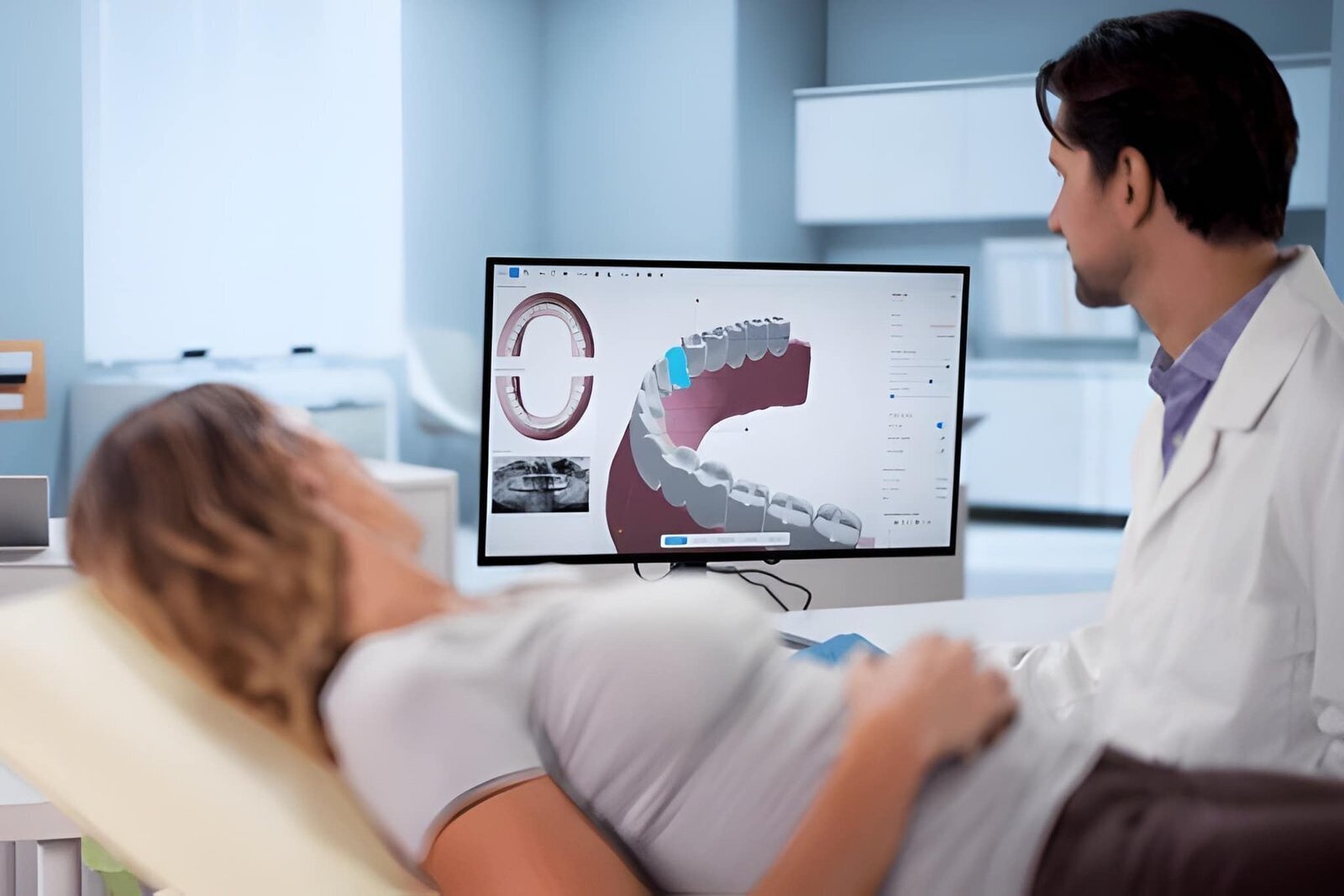
- Computer-aided implant planning software: allows clinicians to plan the exact position, angle, and depth of each implant virtually before any surgery occurs
- Surgical guide fabrication: 3D-printed guides that physically constrain the drill during surgery to match the virtual plan with sub-millimeter accuracy
- CAD/CAM crown and restoration design: computer-designed and milled restorations that fit with a precision physical milling never quite matched
None of these are futuristic concepts. They’re in use at advanced dental practices right now and they’ve measurably changed what implant surgery can deliver.
Why Accuracy Matters So Much in Implant Surgery
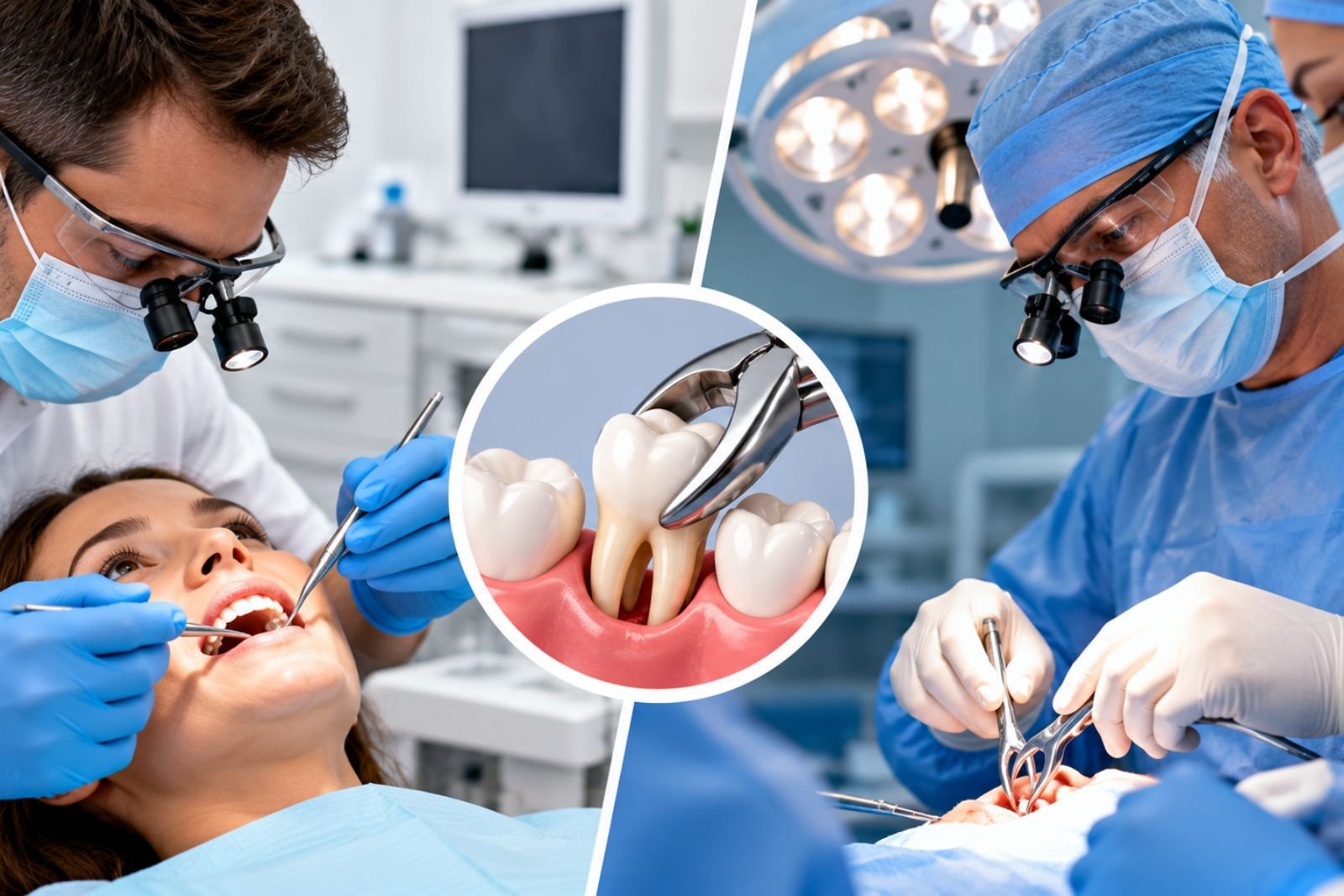
Placing a dental implant sounds straightforward on paper: drill a small hole in the jawbone, insert a titanium post, attach a crown. The reality is considerably more nuanced.
The jawbone contains nerves; the inferior alveolar nerve runs through the lower jaw, and placement too close to it can cause numbness, tingling, or nerve damage that’s sometimes permanent. The sinuses sit directly above the upper posterior teeth, and implants placed too high can penetrate the sinus cavity. Bone density varies throughout the jaw, and placing an implant in an area with insufficient bone leads to failure.
All of this makes implant planning one of the most precision-dependent procedures in dentistry. A placement error of even a millimeter or two can shift an implant from “ideal” to “problematic.”
Traditional planning relied on 2D X-rays and the clinician’s spatial reasoning, both valuable but limited. Digital planning tools give clinicians a complete, measurable 3D map of your anatomy before they ever pick up a drill.
The Technologies Changing Implant Outcomes Right Now
CBCT Imaging: Seeing the Full Picture
Conventional dental X-rays are flat; they compress three-dimensional anatomy into a two-dimensional image. That works reasonably well for many diagnostic purposes, but it falls short for implant planning.
Cone Beam CT (CBCT) scanning captures hundreds of X-ray images from different angles and reconstructs them into a full 3D model of your jaw. Clinicians can measure bone height, width, and density at the exact proposed implant site. They can identify nerve canal locations with precision. They can see whether sinus proximity will affect placement in the upper jaw.
According to a systematic review published in the International Journal of Oral and Maxillofacial Implants (2022), CBCT-guided implant planning significantly reduces the incidence of nerve proximity complications compared to conventional 2D planning. That’s not a minor improvement; nerve complications are one of the most serious risks in lower jaw implant surgery.
Digital Impressions: Goodbye to That Tray of Goop
Anyone who’s had a traditional dental impression knows the experience: a tray full of viscous material pressed against your teeth and held there while you try not to swallow or breathe wrong. It’s uncomfortable, occasionally triggers a gag reflex, and produces a model that however carefully handled is a physical object subject to distortion.
Digital intraoral scanners capture the same information as a physical impression, but faster, more accurately, and without any material in your mouth. The result is a precise 3D digital model that can be used immediately in planning software, shared electronically with dental labs, and stored as a permanent reference.
For patients undergoing dental implants in Carlisle, this means impressions of both the implant site and the opposing teeth can inform crown design digitally, reducing the number of adjustment appointments typically needed to achieve a proper bite.
Virtual Implant Planning: Designing Surgery Before Surgery Begins
The real game-changer in modern implant procedures is virtual surgical planning the ability to place the implant digitally before placing it physically.
Clinicians import the CBCT scan and the digital impression into planning software (platforms like Nobel Clinician, Simplant, or coDiagnostiX are widely used). From there, they can virtually position the implant in three dimensions, test how it interacts with the proposed crown, evaluate proximity to nerves and sinuses, and adjust until the placement is optimal.
That digital plan then drives the creation of a surgical guide a 3D-printed, custom-fitted device that sits over your teeth during surgery and physically guides the drill to match the planned position. The guide constrains the drill’s angle, depth, and position to within approximately 0.5–1mm accuracy in skilled hands.
A 2023 meta-analysis in the Clinical Oral Implants Research journal found that guided implant surgery produces statistically significant improvements in both angular deviation and tip deviation compared to freehand placement. In plain terms: the implant ends up much closer to where it was planned to go.
What This Means for Patients at a Digital Dental Practice
Fewer appointments: Digital workflows eliminate many of the back-and-forth steps that traditional implant procedures required. Virtual planning, digital impressions, and pre-fabricated surgical guides mean less total chair time spread across the treatment timeline.
More predictable outcomes: When a clinician can show you a visual simulation of where your implant will go and what your crown will look like before any work begins, you both understand the plan and the plan is more likely to produce the expected result.
Reduced surgical risk: Guided surgery that avoids nerves and sinuses by design rather than by feel reduces the risk of the complications that most concern patients considering implant surgery.
Better-fitting restorations. CAD/CAM-designed crowns fit with a precision that physical fabrication struggles to match, which means fewer adjustments and better long-term bite function.
Comprehensive records: Digital records are permanent, shareable, and always available. If you need implant work updated years later, your new provider has your entire anatomical baseline on file.
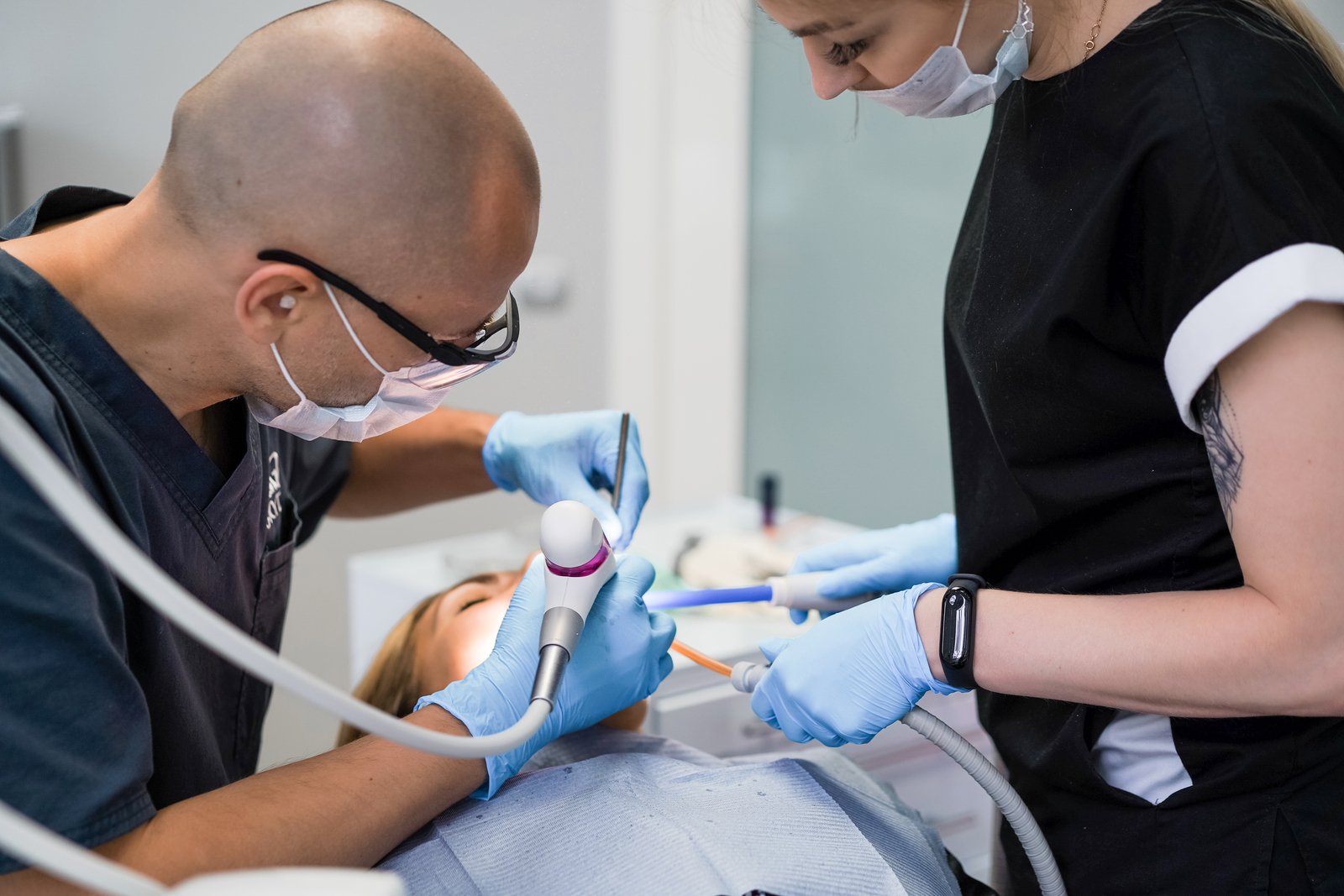
For patients exploring restorative dentistry Carlisle practices offer, asking a provider specifically about their digital planning workflow is a reasonable and increasingly standard thing to do. Practices that invest in these tools are making a clear commitment to clinical precision not just aesthetics.
How Digital Dentistry Connects to Overall Family Dental Care
Digital tools aren’t only for complex implant cases. The same intraoral scanners that plan implant surgeries also improve routine crown and bridge work, orthodontic planning, and diagnostic imaging across a full range of dental services.
For families using a single dental practice for all their care, this matters. When your children’s growth patterns are tracked digitally over years, when your partner’s crown fit is optimized through CAD/CAM design, and when your own implant is planned using CBCT guidance all within the same practice and the same digital record system the standard of care rises across the board.
A family dentistry in Carlisle PA, that has made the investment in digital technology isn’t just offering better implants. They’re delivering a higher standard of care for every patient who walks through the door, at every stage of dental development.
What to Ask When Choosing a Digital Implant Provider
Not every practice offering implants uses the same level of digital technology. Some still rely primarily on 2D X-rays and freehand placement, which can work well in experienced hands but doesn’t deliver the same precision as guided surgery.
Here are the right questions to ask before choosing your provider:
- Do you use CBCT imaging for implant planning? If the answer is no, ask why, and what alternative planning process they use
- Do you use surgical guides for implant placement? Distinguish between static (3D-printed) guides and dynamic (real-time navigation) systems both improve on freehand, but differ in technology and application
- What planning software do you use? Familiarity with the answer isn’t essential, but a provider who can name and explain their software is demonstrating genuine expertise
- Can I see my virtual treatment plan before surgery? A confident answer of yes means they’re doing the planning and willing to show you
- Do you fabricate crowns in-house or send to a lab? Both are valid; in-house CAD/CAM milling offers same-day capability, while specialist labs offer different aesthetic options
Common Misconceptions About Digital Implant Procedures
Myth: Digital dentistry is only available at large specialist clinics.
Truth: CBCT scanners, intraoral scanners, and planning software are now available at general dental practices of all sizes. The investment has come down significantly, and many general practices have adopted these tools as standard.
Myth: Digital planning means the computer does the surgery.
Truth: Software plans and surgical guides improve precision — but a trained clinician makes every clinical decision and performs every step of the surgery. Digital tools are instruments, not replacements for skill and judgment.
Myth: Guided implant surgery costs significantly more.
Truth: The cost of surgical guides and planning software is often already factored into implant pricing at practices that use these tools routinely. Some practices charge a separate planning fee; others include it. Ask specifically during your consultation.
Myth: If my jawbone looks fine, I don’t need a 3D scan.
Truth: Bone that looks adequate on a 2D X-ray can reveal significant density variations, nerve proximity concerns, or inadequate width when viewed in 3D. CBCT imaging is considered the standard of care for implant planning, not an optional upgrade by most implant professional organizations.
Best Practices: Preparing for Your Digital Implant Consultation
Getting the most from a consultation with a digitally equipped implant provider takes a little preparation:
- Bring any existing dental X-rays; your provider may still want to scan you with CBCT, but a history of your dental records helps establish context
- List all medications including supplements; several common drugs (bisphosphonates for osteoporosis, blood thinners, immunosuppressants) have direct implications for implant planning and healing
- Ask to see case examples from the practice; before-and-after documentation from real implant cases shows both aesthetic and technical outcomes
- Confirm what the digital planning process includes and whether you’ll see your virtual plan before any surgery is scheduled
- Ask about the full timeline: digital workflows can compress some steps, but osseointegration (the bone fusion process that anchors the implant) still takes 3–6 months regardless of how precise the placement was.
Frequently Asked Questions
1. Are digital dental implants more accurate than traditional methods?
Yes. Digital dentistry uses 3D imaging, computer‑guided surgery, and precise scanners to plan implant position and depth before treatment, which helps reduce human error and improve long‑term stability.
2. How does digital dentistry improve dental implants in Carlisle specifically?
Practices that use digital tools in dental implants in Carlisle can see your jawbone in 3D, design custom surgical guides, and create better‑fitting crowns. This gives patients more predictable results and often fewer post‑treatment adjustments.
3. Is digital implant planning part of restorative dentistry ?
Absolutely. Restorative dentistry carlisle typically covers crowns, bridges, implants, and full‑mouth reconstructions. Digital workflows help dentists design restorations that fit your bite more accurately and look more natural.
4. Can a family dentistry in carlisle pa office handle digital implant planning?
Many modern family dentistry in carlisle pa practices use digital scanners and imaging for both everyday care and advanced treatments. They often coordinate with implant specialists or provide implant services in‑house, using shared digital records to keep your care consistent.
5. How do digital impressions make implant crowns more comfortable?
Digital impressions capture detailed 3D data of your teeth and gums without messy trays. That accuracy helps labs create crowns and bridges that fit your implant more closely, improving bite comfort and reducing the number of adjustment visits.
6. Are digital tools helpful if I’m choosing between implants and dentures?
Yes. Dentists can use digital scans to show how implants and dentures would sit in your mouth, then discuss pros and cons such as bone preservation, stability, and maintenance alongside resources like Dental Implants vs. Dentures: Which One Is Right for You? so you can make an informed choice.
Conclusion
Dental implants have always been the most technically demanding restoration in dentistry. Digital technology hasn’t made them easier to get complacent about but it has raised the precision floor considerably, producing more predictable outcomes and reducing the risks that once made implant surgery a bigger leap of faith.
If you’re considering dental implants in Carlisle, the standard of care you should expect in 2026 includes 3D imaging, virtual planning, and guided surgery as baseline components, not premium add-ons. The practices investing in these tools are the ones committed to delivering outcomes that hold up over decades, not just months.
Contact us today to talk about digital dentistry, restorative options, or dental implants in Carlisle. Our friendly team is here to guide you through every step of your smile upgrade.
Learn More : Dental Implants vs. Dentures: Which One Is Right for You?