If you’ve been Googling solutions for missing teeth, you’ve probably come across several treatment options but things can get confusing fast. One of the most searched treatments today is a dental implant in Carlisle, especially among people who want a long-lasting, natural-looking replacement for missing teeth. But what does it really mean, and which type is right for you?
This guide breaks everything down in a simple, human way. No complicated dental jargon, no confusing sales talk just clear explanations of the five main types of dental implants, who they’re for, and what to expect. Whether you’re replacing one tooth or several, this article will help you make sense of your options.
Understanding Dental Implants in Simple Terms
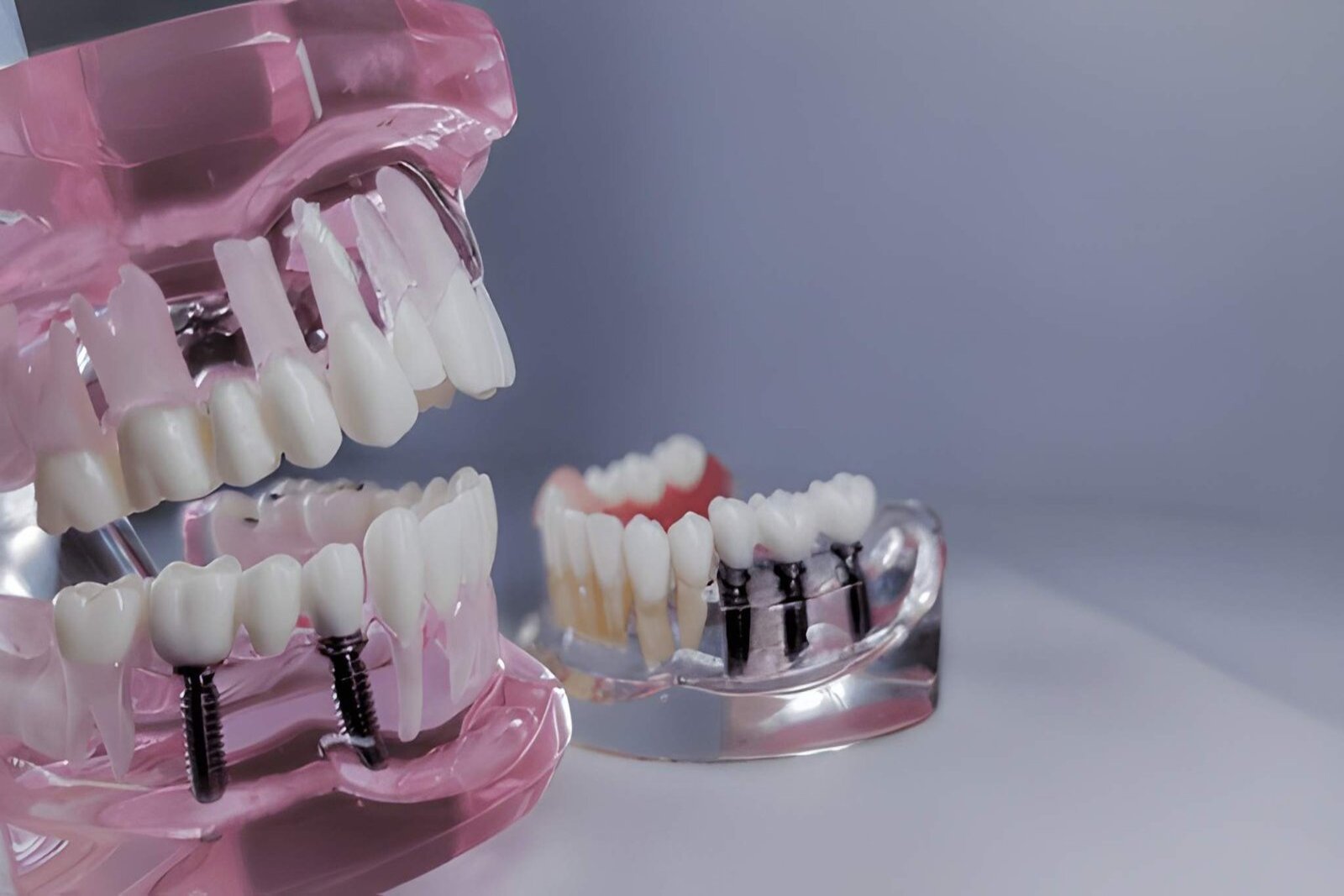
A dental implant is basically an artificial tooth root made of titanium that is placed into your jawbone. Once it heals, it supports a crown, bridge, or denture depending on your needs. Think of it as a strong anchor that holds your new tooth in place so it doesn’t move or slip.
People often compare implants to dentures, but implants feel more natural because they fuse with your bone over time. That stability is why they are considered one of the most reliable tooth replacement solutions available today.
Many patients exploring a dental implant in Carlisle are surprised to learn how versatile this treatment is it can replace a single tooth, multiple teeth, or even a full set.
Why Dental Implants Matter (And Who Needs Them)
Missing teeth are not just a cosmetic problem. They affect your health, your diet, and your quality of life. The American College of Prosthodontists reports that 120 million Americans are missing at least one tooth, and more than 36 million Americans have no teeth at all.
When you lose a tooth, the jawbone underneath begins to shrink because it no longer receives stimulation from chewing. This bone loss can change your facial structure over time, giving your face a sunken appearance. Dental implants solve this by mimicking natural tooth roots. They stimulate the jawbone every time you chew, preventing bone loss and preserving your facial structure.
Not everyone is an immediate candidate for implants. Good candidates need adequate jawbone density and healthy gums. Smokers, people with uncontrolled diabetes, or those with certain autoimmune conditions may face higher risks. However, advances in bone grafting have made implants possible for more patients than ever before.
Many patients who undergo Wisdom Tooth Extraction in Carlisle PA later find themselves exploring implants for other dental needs. Wisdom teeth removal is common, but it often opens the conversation about long-term oral health and tooth replacement options.
The 5 Main Types of Dental Implants
1. Single Tooth Implants : The Classic Solution
If you’re missing one tooth and the surrounding bone is healthy, a single tooth implant is usually the most straightforward and longest-lasting solution available.
The process involves three stages:
- Stage 1: The titanium implant post is placed into the jawbone
- Stage 2: Healing time (typically 3–6 months) for osseointegration to complete
- Stage 3: A custom crown is placed on top of the abutment
The end result integrates seamlessly with surrounding teeth. Nobody at the dinner table will know which one it is which is kind of the whole point.
Single tooth implants also protect your jawbone. When a tooth root is lost, the surrounding bone gradually shrinks a process called bone resorption. An implant stimulates that bone like a natural root does, preserving the structure of your face over time. According to the American Academy of Implant Dentistry (AAID), bone loss can begin within the first year of tooth loss if not addressed.
Single Tooth Dental Implant: The Permanent Solution for Missing Teeth
2. Implant-Supported Bridge: Replacing Multiple Adjacent Teeth
Missing two or three teeth in a row? An implant-supported bridge might be the smarter choice over placing individual implants for each missing tooth.
Here’s how it works: instead of one implant per missing tooth, two implants are placed at either end of the gap. A bridge a set of connected crowns is then anchored to those two implants, spanning the space in between. It’s structurally efficient and significantly reduces the number of surgical procedures required.
This approach is different from a traditional dental bridge, which relies on grinding down and capping your healthy adjacent teeth to support the bridge. With an implant-supported bridge, the neighboring natural teeth stay completely untouched. That matters a lot for long-term dental health.
Many patients who come in for restorative work especially those who’ve previously had dental crowns in Carlisle on neighboring teeth find that implant-supported bridges protect their remaining healthy tooth structure far better than traditional bridgework.
3. All-on-4 Implants : A Full Arch on Just Four Posts
All-on-4 is where implant dentistry gets genuinely remarkable. This technique allows an entire upper or lower arch of teeth to be supported by just four strategically placed implants often with a full set of teeth attached the same day as surgery.
The key to All-on-4’s efficiency is angle. The two rear implants are placed at a 45-degree angle to maximize contact with available bone. This clever geometry means patients who have significant bone loss people who might not qualify for traditional implants without bone grafting first can often still receive All-on-4 without additional bone surgery.
For someone who has been living with extensive tooth loss or ill-fitting dentures, this procedure can be genuinely life-changing. Clinical studies published in the International Journal of Oral and Maxillofacial Implants have consistently shown 10-year success rates above 94% for All-on-4 restorations, making it one of the most evidence-supported full-arch solutions in modern dentistry.
It’s worth noting: the final restoration placed on All-on-4 implants is typically a full-arch prosthetic bridge it’s a fixed, non-removable set of teeth, not dentures.
4. Mini Dental Implants (MDIs) : Smaller Posts, Specific Purposes
Mini dental implants are exactly what the name suggests: narrower implant posts (usually under 3mm in diameter, compared to 3.75–5mm for standard implants). Because of their smaller size, they can sometimes be placed with less invasive surgery, lower cost, and faster healing.
They’re primarily used in two scenarios:
- Stabilizing lower dentures for patients who struggle with loose-fitting dentures but don’t qualify for or can’t afford full implant treatment
- Replacing smaller teeth like lateral incisors, where a standard-width implant simply wouldn’t fit the anatomy
Mini implants are not appropriate for every situation, and they don’t carry the same long-term data as standard implants. A reputable provider offering dental implant in Carlisle will be upfront about when mini implants are the right tool and when they’re not.
5. Zygomatic Implants : When the Jawbone Isn’t Enough
Zygomatic implants are the most specialized option on this list and the least commonly needed. Instead of anchoring into the jawbone, these longer implants attach into the cheekbone (the zygoma), completely bypassing the upper jaw.
They exist for one specific situation: severe bone loss in the upper jaw that makes standard implants impossible, even with bone grafting. Rather than undergoing extensive, multi-stage bone regeneration procedures, a patient with severe maxillary bone loss may be able to receive zygomatic implants in fewer surgical stages.
This is a highly specialized procedure performed by maxillofacial surgeons or implantologists with advanced training. It isn’t something every dental practice offers, and patient selection criteria are strict. For the right patient, though, it can restore full upper arch function when nothing else realistically can.
How to Know Which Type of Implant Is Right for You
There’s no universal answer here, and anyone who tells you otherwise before examining your mouth is cutting corners. The right implant type depends on a genuinely individual set of factors:
Bone density and volume : Standard implants require adequate bone to anchor into. If bone loss has occurred (common after long-term tooth loss or following a wisdom tooth extraction in Carlisle PA that wasn’t followed up with a replacement plan), grafting may be needed first or an alternative implant type may be more appropriate.
Number and location of missing teeth : One tooth, several teeth, or a full arch each calls for a different approach. Adjacent missing teeth are usually better served by a bridge or All-on-4 rather than stacked individual implants.
Overall health and healing capacity : Uncontrolled diabetes, active periodontal disease, heavy smoking, or certain medications can all affect implant success rates. A thorough medical and dental history review is non-negotiable before any implant procedure.
Timeline and budget : All-on-4 can deliver immediate results; traditional single implants take months. Costs vary considerably by type, and many practices offer financing options.
Quality of remaining teeth : If neighboring teeth already have significant restorations say, older dental crowns in Carlisle that are nearing end of life your treatment plan may incorporate those into the broader restoration strategy.
Common Misconceptions About Dental Implants
Myth: Dental implants are just like dentures, but more expensive.
Truth: They’re fundamentally different. Dentures sit on top of the gum and can shift, cause sore spots, and don’t stimulate the underlying bone. Implants are fixed in the bone, stimulate natural bone preservation, and function like real teeth including when chewing steak.
Myth: The procedure is extremely painful.
Truth: Most patients report that implant surgery is far more comfortable than they expected. Local anesthesia and sedation options make the procedure itself manageable, and post-operative discomfort is typically well-controlled with standard pain relief. The anticipation is usually worse than the reality.
Myth: Dental implants are only for older people.
Truth: Implants aren’t age-restricted they’re bone-development-restricted. Adults whose jawbones have finished growing (usually in the late teens) can be candidates. Many people in their 20s and 30s receive implants after accidents or extraction.
Myth: Once placed, implants need no maintenance.
Truth: Implants don’t decay, but the gum tissue around them absolutely can develop infection (peri-implantitis) if oral hygiene is neglected. Regular professional cleanings and good home care are just as important with implants as with natural teeth.
Best Practices Before and After Dental Implant Treatment
- Choose a provider with documented implant training and case experience ask specifically how many implant procedures they perform per year
- Insist on 3D cone beam CT (CBCT) imaging before treatment planning 2D X-rays alone don’t give a complete picture of bone volume and anatomy
- Disclose your complete medical history and medication list several common medications (bisphosphonates, blood thinners, immunosuppressants) have direct implications for implant candidacy and healing
- Quit smoking before and after surgery smoking is one of the strongest predictors of implant failure, reducing success rates significantly in peer-reviewed studies
- Follow post-surgical instructions precisely the osseointegration period is when implants are most vulnerable; protecting that healing phase protects your entire investment
- Schedule regular maintenance appointments implants need professional cleaning just like natural teeth, and early detection of peri-implant issues makes treatment far simpler
FAQ
1. What is a dental implant in Carlisle and how does it work?
A dental implant in Carlisle is a tooth replacement solution where a titanium post is placed into the jawbone. It acts like a root and supports a crown, bridge, or denture for a natural-looking result.
2. Who is a good candidate for dental implants?
Most healthy adults with missing teeth and sufficient jawbone density are good candidates. Even patients who previously needed extractions or treatments like Wisdom Tooth Extraction in Carlisle PA may qualify after healing.
3. Are dental implants better than Dental Crowns in Carlisle?
They serve different purposes. Dental Crowns in Carlisle are used to restore damaged teeth, while implants replace missing teeth completely. Implants are generally more permanent, while crowns repair existing teeth.
4. How painful is the dental implant procedure?
Most patients report minimal discomfort. The procedure is done under local anesthesia, and recovery feels similar to a routine tooth extraction with mild soreness for a few days.
5. How long do dental implants last?
With proper oral hygiene and regular dental checkups, dental implants can last 15–25 years or even longer. Their longevity makes them a popular long-term solution.
6. How soon can I return to normal activities after getting an implant?
Most people return to normal daily activities within 1–2 days. However, full healing of the implant into the jawbone can take a few months.
Final Thoughts
Dental implants are a reliable way to replace missing teeth and bring back normal chewing, speaking, and confidence. Whether it’s a single tooth or a full set, there’s a solution that fits different needs and budgets.
If you are thinking about a dental implant in Carlisle, the best step is to talk to a qualified dentist who can guide you based on your oral health. Every case is different, so a proper check-up always helps you choose the right option.
With the right care and guidance, a dental implant in Carlisle can be a long-lasting and comfortable solution that feels just like your natural teeth.