A gap between your teeth can be a small cosmetic detail or something that has changed over time. Either way, you may wonder if clear aligners can bring those teeth closer together without traditional braces.
In many cases, they can. Clear aligners gradually move teeth by applying controlled pressure, and the American Association of Orthodontists (AAO) specifically lists gapped teeth among the conditions that aligners can treat. However, not every gap has the same cause, and that difference matters when choosing treatment.
If you are considering treatment, an Orthodontist in Carlisle PA can examine the spacing, your bite, tooth position, and overall oral health before recommending an approach. Invisalign may be a good fit for some patients, while braces or another treatment may make more sense for others.
Can Invisalign Close Teeth Gaps?
Yes, Invisalign can close many types of gaps between teeth.
Clear aligners consist of a series of custom-made trays. Each tray applies gentle pressure to guide teeth toward their planned positions. Patients typically progress through a sequence of aligners rather than trying to move teeth all at once.
The process sounds simple, but tooth movement involves biology, not just plastic trays. Your orthodontist needs to plan the direction and amount of movement carefully.
The AAO notes that clear aligners can treat gapped teeth, crowded teeth, crooked teeth, and several bite problems. It also explains that aligners do not work equally well for every orthodontic case.
So, the better question is not simply, “Can Invisalign close my gap?” It is, “Why do I have this gap, and what treatment will close it safely and predictably?”
Can Invisalign Close Teeth Gaps?
In many cases, yes. Clear aligners are specifically used to treat gapped teeth, along with several other orthodontic problems.
The basic idea is straightforward: each custom-made aligner applies controlled pressure to the teeth. As you progress through a series of aligners, the teeth gradually move toward the positions planned by your orthodontist.
The American Association of Orthodontists lists gapped teeth among the common conditions that clear aligners can treat.
That does not mean every gap can be closed with Invisalign. Orthodontic treatment is not a one-size-fits-all exercise. A small space caused by simple tooth positioning may respond well to aligners, while a large gap, missing tooth, significant bite problem, or underlying gum condition may require a different approach.
A qualified Invisalign dentist in Carlisle can assess the cause of your spacing before recommending treatment.
How Does Invisalign Close a Gap?
1. The Orthodontist Finds the Cause
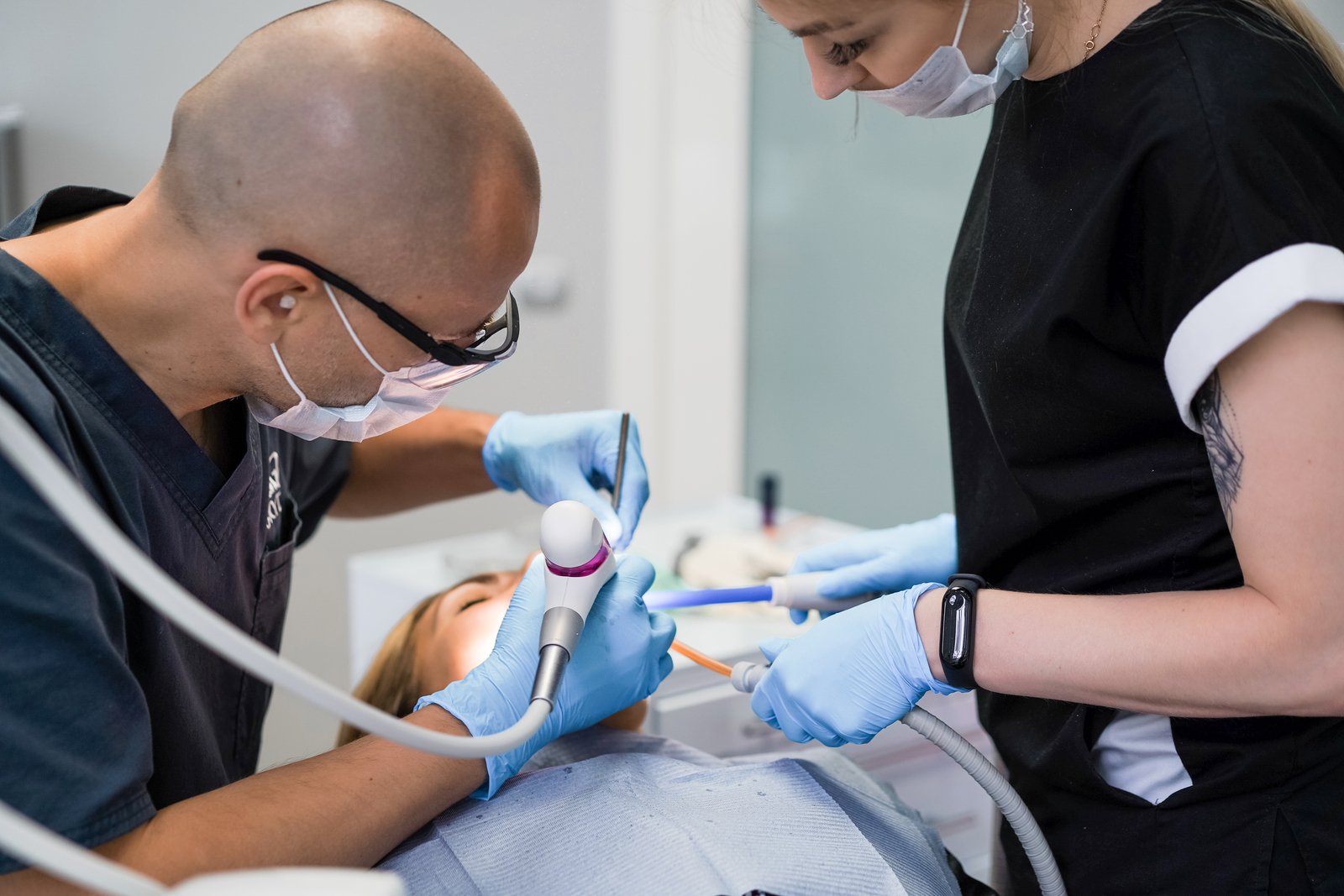
Treatment should start with an examination.
An orthodontist evaluates your teeth and bite and may use photographs, digital scans, X-rays, or other records when appropriate. These records help the provider understand how your teeth fit together and what movements the treatment needs to achieve.
This is where an Orthodontist in Carlisle PA can provide information that an online aligner quiz cannot.
A gap may look straightforward from the front, but your orthodontist also needs to consider the teeth you cannot easily see and the way your upper and lower teeth meet.
2. A Customized Treatment Plan Is Created
After the examination, the orthodontist plans the desired tooth positions.
Clear aligners then guide the teeth through a series of planned movements. Each tray makes a relatively small adjustment before you move to the next stage.
The number of aligners and overall treatment time varies according to the individual case. The AAO states that treatment length depends on the orthodontic problems being addressed and the movements required.
There is no honest one-size-fits-all answer such as “every gap closes in X months.” Your teeth did not read the internet, and they do not all move at the same speed.
3. The Aligners Must Be Worn Consistently
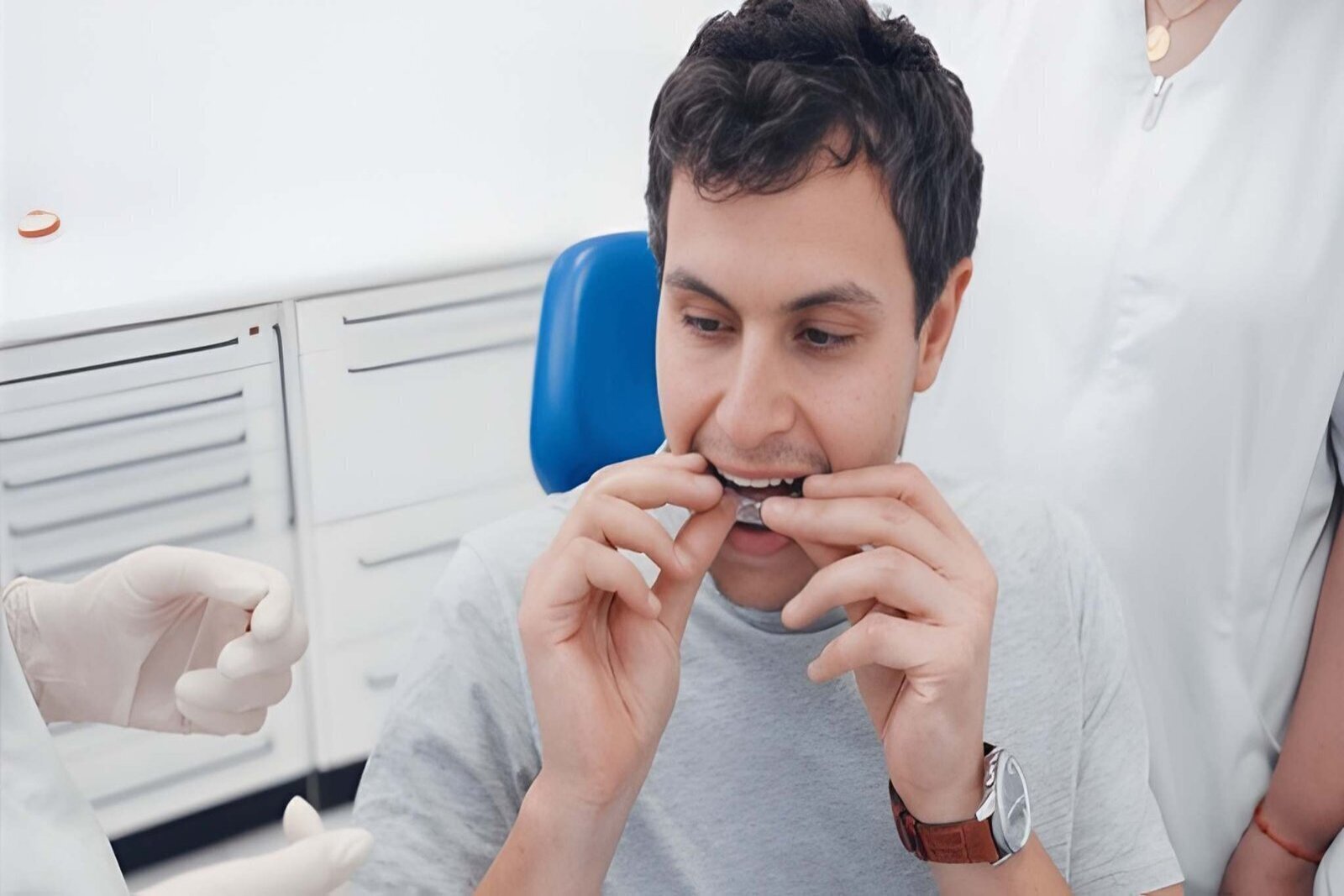
Clear aligners are removable, which makes them convenient. It also means the patient has an important responsibility.
The AAO recommends wearing aligners for about 20–22 hours each day or as directed by the treating orthodontist. Patients generally remove them for eating, drinking, brushing, and flossing.
If you frequently leave the trays out, your teeth may not follow the planned movement as expected.
Consistency matters because orthodontic treatment depends on controlled, ongoing forces.
4. Progress Is Checked During Treatment
Professional monitoring remains important even though the trays are removable.
Your orthodontist can check whether your teeth are moving according to plan and whether your bite and oral health remain on track.
If a tooth does not move as expected, the provider can determine what adjustment may be necessary. That supervision makes professionally managed aligner treatment different from choosing trays based solely on photographs or an online questionnaire.
Are Clear Aligners in Carlisle Suitable for Every Gap?
Not necessarily.
Research and professional guidance support clear aligners for many spacing cases, but the AAO emphasizes that they are not appropriate for every patient. Some cases respond more predictably to traditional braces, while others may require a combination of approaches.
Patients researching clear aligners in Carlisle should therefore focus on diagnosis first and the appliance second.
Your orthodontist may consider:
- The size and location of the gap
- The cause of the spacing
- Your bite
- Tooth rotations
- Tooth and jaw position
- Gum health
- Missing teeth
- Other alignment concerns
The AAO notes that clear aligners may be less predictable for some severe orthodontic problems, significant rotations, and larger gaps.
That does not mean aligners cannot help with spacing. It means the treatment needs to match the problem.
What If the Gap Is Related to Gum Problems?
A new gap should not automatically be treated as a cosmetic issue.
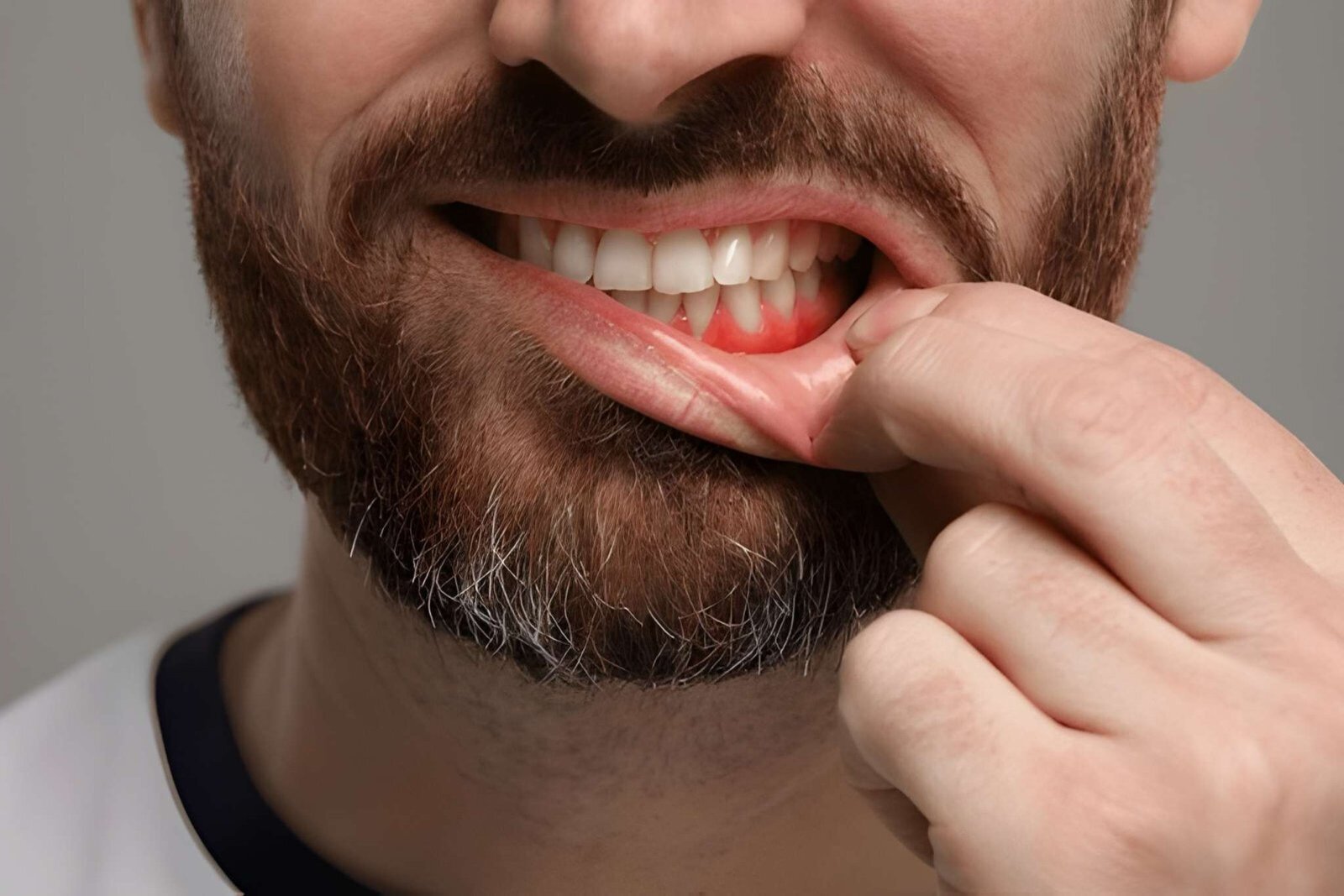
If your teeth have started separating or the space has become noticeably wider, your dentist or orthodontist should evaluate the surrounding gums and supporting structures. Gum disease can contribute to tooth movement and spacing in adults.
Signs that deserve professional attention include:
- Bleeding gums
- Swollen or tender gums
- Persistent bad breath
- Loose teeth
- A newly developing gap
- A gap that continues to widen
Orthodontic treatment works best when the teeth and gums receive appropriate care. If gum disease or another dental problem exists, your provider may recommend addressing that issue before moving the teeth.
Invisalign vs. Traditional Braces for Teeth Gaps
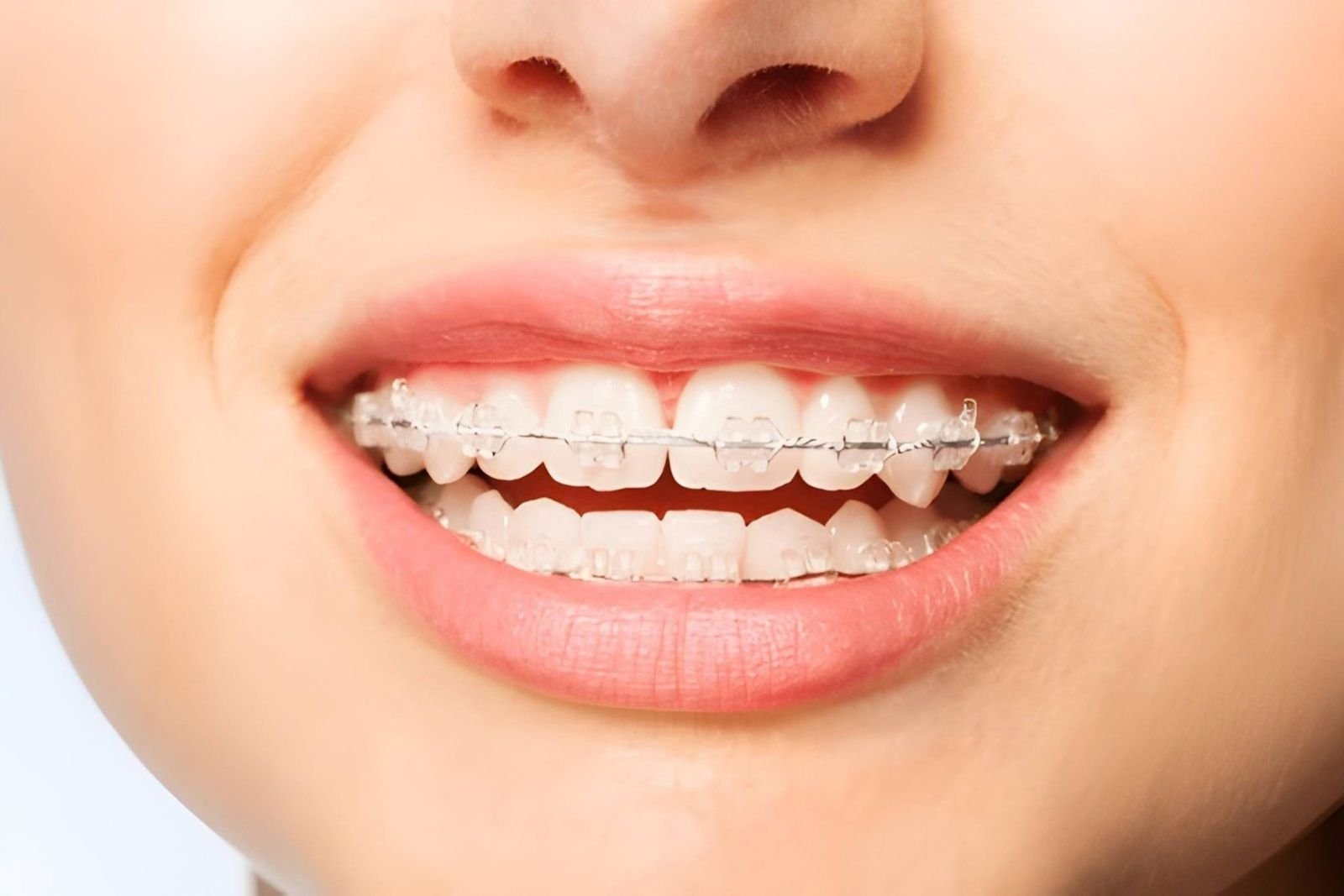
Both clear aligners and braces can move teeth, but neither option automatically wins for every patient.
| Consideration | Clear Aligners | Traditional Braces |
| Appearance | Less noticeable | More visible |
| Removable | Yes | No |
| Eating | Remove trays | Appliance stays in place |
| Oral hygiene | Easier appliance removal | Requires cleaning around brackets |
| Patient responsibility | High | Lower for daily appliance wear |
| Complex movement | Depends on the case | Often useful for complex cases |
The AAO explains that there is no single appliance that works best for every orthodontic problem. Diagnosis comes first, followed by a treatment plan tailored to the patient.
That approach makes sense. You would not choose a tool before deciding what needs fixing.
Interesting Read : 10 Common Dental Emergencies That Require Immediate Emergency Dentistry
Common Myths About Closing Teeth Gaps
Myth 1: Invisalign can close every gap.
Truth: Clear aligners can treat many spacing problems, but the cause and complexity of the gap determine whether they are appropriate.
Myth 2: A larger gap only requires more aligners.
Truth: Gap size is only one factor. Bite, tooth position, rotations, missing teeth, and other orthodontic concerns can change the treatment plan.
Myth 3: You can wear aligners whenever it is convenient.
Truth: Clear aligners require consistent wear. The AAO recommends approximately 20–22 hours per day or following the schedule provided by your orthodontist.
Myth 4: Closing the gap means treatment is permanently finished.
Truth: Teeth can move after orthodontic treatment. Retainers help maintain the corrected positions, and your orthodontist will explain how and when to use you
How to Get the Most From Clear Aligner Treatment
If you are considering clear aligners in Carlisle, preparation and consistency can make the treatment experience easier.
Follow these practical habits:
- Wear your aligners according to your orthodontist’s instructions.
- Remove them when eating unless your provider gives different instructions.
- Brush and floss regularly.
- Clean your aligners as directed.
- Keep scheduled follow-up appointments.
- Store trays in their case when you remove them.
- Contact your orthodontist if you lose or damage an aligner.
- Continue regular dental checkups during orthodontic treatment.
The AAO also recommends brushing your teeth before putting aligners back in after eating or drinking. This helps avoid trapping food and liquids against the teeth.
Simple routines often matter more than complicated tricks.
What Should You Ask Before Starting Treatment?
A consultation gives you the opportunity to understand the entire plan rather than focusing only on the appearance of the gap.
Ask questions such as:
- What caused my teeth to become spaced?
- Can clear aligners correct my specific type of gap?
- Would braces provide a more predictable result?
- How will my bite change during treatment?
- How long might treatment take in my case?
- What will I need to do after treatment to maintain the result?
A good provider should explain both the benefits and limitations of the recommended treatment.
Frequently Asked Questions
1. Can Invisalign close a gap between the front teeth?
Yes. Clear aligners can treat many cases of spacing, including gaps between front teeth. However, an orthodontist needs to determine why the gap exists and whether aligners can provide the required movement.
2. How long does it take to close a tooth gap with Invisalign?
There is no universal timeline. Treatment duration depends on the type and complexity of tooth movement, your response to treatment, and how consistently you follow the prescribed wear schedule.
3. Are clear aligners better than braces for gaps?
Not automatically. Clear aligners offer a discreet and removable option, but braces may provide more predictable control for certain complex movements. Your orthodontist can compare the options based on your specific condition.
4. Can a gap reopen after Invisalign?
Yes. Teeth can shift after orthodontic treatment. Retainers help maintain the new positions, so following your orthodontist’s retention instructions plays an important role in protecting your results.
5. Should I see an orthodontist for a new gap?
Yes. A new or widening gap, particularly in adulthood, deserves an evaluation because spacing can sometimes relate to gum disease, bone loss, tooth movement, or other oral health concerns.
6. Where can I learn about Invisalign treatment options?
If you are comparing an Invisalign dentist in Carlisle with traditional orthodontic treatment, start by scheduling an examination. A qualified orthodontic provider can evaluate your teeth, explain the cause of the spacing, and recommend the treatment option that fits your needs.
Conclusion
Invisalign can close many teeth gaps by gradually guiding teeth into planned positions. The treatment works best when the provider first identifies the cause of the spacing, evaluates your bite and oral health, and creates a personalized plan.
If you are considering an Orthodontist in Carlisle PA, focus on the diagnosis rather than choosing treatment based only on appearance or convenience. Clear aligners may offer an excellent option for some patients, while braces or another approach may work better for others.
For anyone researching clear aligners in Carlisle, a professional consultation is the most useful next step. Ask what is causing your gap, whether aligners can correct it predictably, what the treatment process involves, and how you can maintain your results afterward.
A gap may be the part of your smile you notice first, but the best orthodontic plan looks at the whole picture.