Your gums don’t lie. They bleed, swell, and recede for a reason and that reason is almost always bacterial inflammation you can’t see with the naked eye. The problem? Gum disease often progresses silently, without pain, until significant damage has already occurred.
If you’re searching for gum disease treatment in Carlisle, you’ve probably noticed something off: bleeding when you brush, persistent bad breath, or teeth that look longer than they used to. These aren’t random issues. They’re warning signs your body sends when gum tissue and supporting bone are under attack.int.
This guide breaks down the 10 most reliable warning signs of gum disease, explains what each symptom means, and shows you when to seek professional care before irreversible damage sets in.
What Is Gum Disease?
Gum disease usually begins when plaque builds up around the teeth and gumline. Plaque is a sticky film containing bacteria. When it is not removed regularly, it can harden into tartar, which cannot be removed with ordinary brushing and flossing.
Early gum disease, called gingivitis, can cause red, swollen, or bleeding gums. With appropriate oral hygiene and professional care, gingivitis can often be reversed.
If the condition progresses to periodontitis, the infection and inflammation can affect the tissues and bone that hold your teeth in place. Periodontitis cannot simply be reversed, but professional treatment can slow and manage it.
10 Warning Signs of Gum Disease
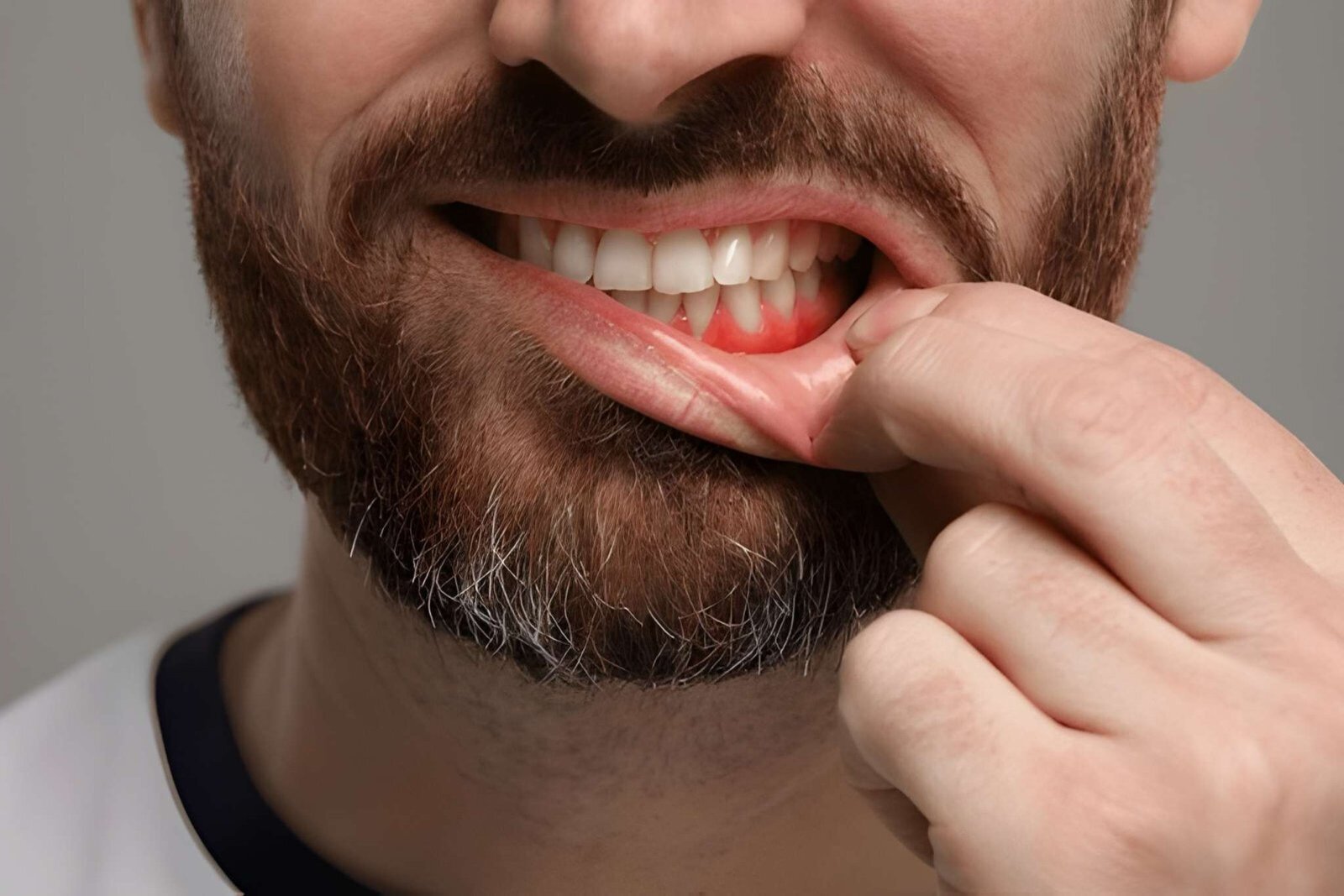
1. Your Gums Bleed When You Brush or Floss
Seeing blood in the sink after brushing is one of the most common warning signs of gum disease.
Healthy gums generally should not bleed regularly during routine oral care. Bleeding can occur when plaque irritates the gum tissue and causes inflammation.
Do not stop flossing because your gums bleed. Instead, arrange a dental evaluation if the problem continues. A Dentist in Carlisle PA can assess whether the bleeding is related to gingivitis, periodontitis, or another oral health issue.
2. Your Gums Look Red or Swollen
Healthy gums typically appear firm and pink, although normal gum color varies from person to person.
Red, swollen, or tender gums can indicate inflammation. The Centers for Disease Control and Prevention lists these changes among the common signs of periodontal disease.
Think of swollen gums as your mouth sending a notification. Ignoring the notification does not make the problem disappear.
3. Your Gums Feel Tender or Sore
Gum disease does not always cause obvious pain, particularly in its earlier stages. However, tenderness or soreness around the gums can be a warning sign.
The American Academy of Periodontology includes tender gums and oral pain among possible symptoms of periodontal disease.
If soreness persists or keeps returning, do not assume it is simply from brushing too hard. A dental professional can examine the gums and determine what is causing the irritation.
4. Your Gums Are Pulling Away From Your Teeth
Gums that appear to move downward or pull away from the teeth deserve attention.
As periodontal disease progresses, the gums can separate from the teeth and form deeper spaces called periodontal pockets. These spaces can allow bacteria to accumulate below the gumline.
You may also notice that your teeth appear longer than they used to. That change can occur when gum tissue recedes.
5. You Have Persistent Bad Breath
Morning breath happens. Persistent bad breath is different.
Ongoing bad breath can be associated with gum disease, particularly when bacteria and buildup remain around the teeth and gums. The American Academy of Periodontology lists persistent bad breath as a warning sign.
If brushing, flossing, and routine mouth care do not resolve persistent bad breath, it is worth discussing with your dental professional.
6. Your Teeth Feel Sensitive
Sudden or increasing tooth sensitivity can have several possible causes, so it does not automatically mean you have gum disease.
However, sensitive teeth can occur alongside gum problems, particularly when gums recede and expose areas of the teeth that are normally covered.
The National Institute of Dental and Craniofacial Research identifies sensitive teeth as one possible symptom of periodontal disease.
A cosmetic dentist in Carlisle may also evaluate sensitivity when discussing smile concerns, but persistent gum-related symptoms should receive a proper periodontal assessment rather than only a cosmetic solution.
7. Your Teeth Feel Loose
Adult teeth should not become loose without a clear reason.
Loose or separating teeth can be a sign that the tissues and bone supporting the teeth have been damaged. Advanced periodontal disease can eventually contribute to tooth loss.
This is one symptom that should not be put on the “maybe it will go away” list. Schedule a dental examination promptly if you notice unexplained tooth mobility.
8. Chewing Becomes Painful
If chewing suddenly becomes uncomfortable, your gums or teeth may need attention.
Painful chewing is among the recognized symptoms of gum disease. In more advanced periodontal disease, inflammation and damage to supporting tissues can make normal biting and chewing difficult.
A dental examination can help determine whether gum disease, tooth decay, an infection, or another problem is responsible.
9. Pus Appears Around Your Gums
Pus between the gums and teeth is not a normal part of oral health.
The American Academy of Periodontology identifies pus between the gums and teeth as a possible warning sign of periodontal disease.
If you notice this symptom, contact a dental professional rather than trying to manage it with home remedies alone. The cause needs to be evaluated properly.
10. Your Bite or Dental Appliance Feels Different
Have your teeth suddenly started fitting together differently when you bite?
That change can be significant. Gum disease can affect the supporting structures around teeth, and the CDC lists a change in how your teeth fit together when biting as a possible symptom.
The same applies if a partial denture suddenly feels different or no longer fits as it once did. These changes deserve professional evaluation.
When Should You See a Dentist?
Do not wait for severe pain before seeking dental care. Gum disease can become serious while producing few noticeable symptoms. Regular dental examinations can help identify problems before they cause significant damage.
If you notice bleeding, swelling, persistent bad breath, gum recession, loose teeth, or painful chewing, schedule an evaluation.
For people searching for gum disease treatment in Carlisle, the right treatment depends on the severity and type of gum disease. A dental professional may recommend professional cleaning for early disease. More advanced periodontitis may require procedures such as scaling and root planing, medication, or surgical treatment.
A Dentist in Carlisle PA can also evaluate your overall oral health and determine whether you need routine periodontal care or referral to a periodontist.
How Can You Protect Your Gums?
Good daily habits can make a meaningful difference.
Brush your teeth twice a day with fluoride toothpaste and clean between your teeth every day. Floss, interdental brushes, or another dentist-recommended cleaning method can help remove plaque from areas your toothbrush cannot reach.
Regular professional cleanings matter, too. Tartar cannot be removed effectively with ordinary brushing and flossing.
If you smoke or use tobacco, quitting can also benefit your gum health and improve the prospects for successful treatment.
People with diabetes should pay particular attention to gum health because diabetes is associated with a higher risk of periodontal disease, and gum disease can be more difficult to manage when blood glucose is poorly controlled.
Interesting Read : 10 Common Dental Emergencies That Require Immediate Emergency Dentistry
Can Gum Disease Affect Your Smile?
Yes. Gum health is part of a healthy smile, not a separate concern.
Receding gums, inflammation, tooth mobility, and changes in the way teeth fit together can affect both oral function and appearance. If you are considering cosmetic dental care, addressing active gum disease should be part of the conversation.
A cosmetic dentist in Carlisle can discuss appearance-focused options, but healthy gums provide an important foundation for long-term dental care.
What Can Increase Your Risk of Gum Disease?
Plaque remains a major contributor, but several factors can affect gum health.
NIDCR identifies smoking as a significant risk factor for periodontal disease. Diabetes can also increase the risk, and uncontrolled blood glucose can make oral problems more difficult to manage.
Other factors may include:
- Inconsistent brushing and interdental cleaning
- Tartar buildup
- Certain medical conditions
- Some medications
- Hormonal changes
- Genetic factors
- Tobacco use
Knowing your risk factors can help you and your dental professional create a more appropriate prevention plan.
How to Protect Your Gums Every Day
Good gum care does not require a complicated 12-step routine. Consistency matters more than making your bathroom look like a dental supply warehouse.
NIDCR recommends brushing twice daily with fluoride toothpaste and cleaning between the teeth regularly. Interdental brushes, floss, floss holders, and water flossers can all provide options depending on your needs and professional recommendations.
Helpful habits include:
- Brush gently along the gumline.
- Clean between your teeth regularly.
- Do not ignore recurring gum bleeding.
- Schedule routine dental examinations and professional cleanings.
- Avoid tobacco products.
- Tell your dentist about relevant medical conditions.
- Pay attention to changes in your gums or teeth.
If you have difficulty cleaning around certain areas, ask your dental professional to demonstrate a technique that fits your mouth.
Gum Disease Myths: What Should You Believe?
Myth: Bleeding gums are normal.
Truth: Regular bleeding can indicate gum inflammation and deserves attention.
Myth: Gum disease always causes severe pain.
Truth: Gum disease can develop with relatively few noticeable symptoms, particularly during earlier stages. That makes routine dental examinations important.
Myth: If my teeth do not hurt, my gums must be healthy.
Truth: Lack of pain does not guarantee healthy gums. Symptoms such as bleeding, swelling, recession, bad breath, or loose teeth can indicate a problem.
Myth: Brushing harder cleans better.
Truth: More pressure does not automatically mean better cleaning. NIDCR recommends gentle brushing with attention to the gumline rather than aggressive scrubbing.
How a Dentist Can Evaluate Your Gum Health
A professional examination looks beyond what you can see in the mirror.
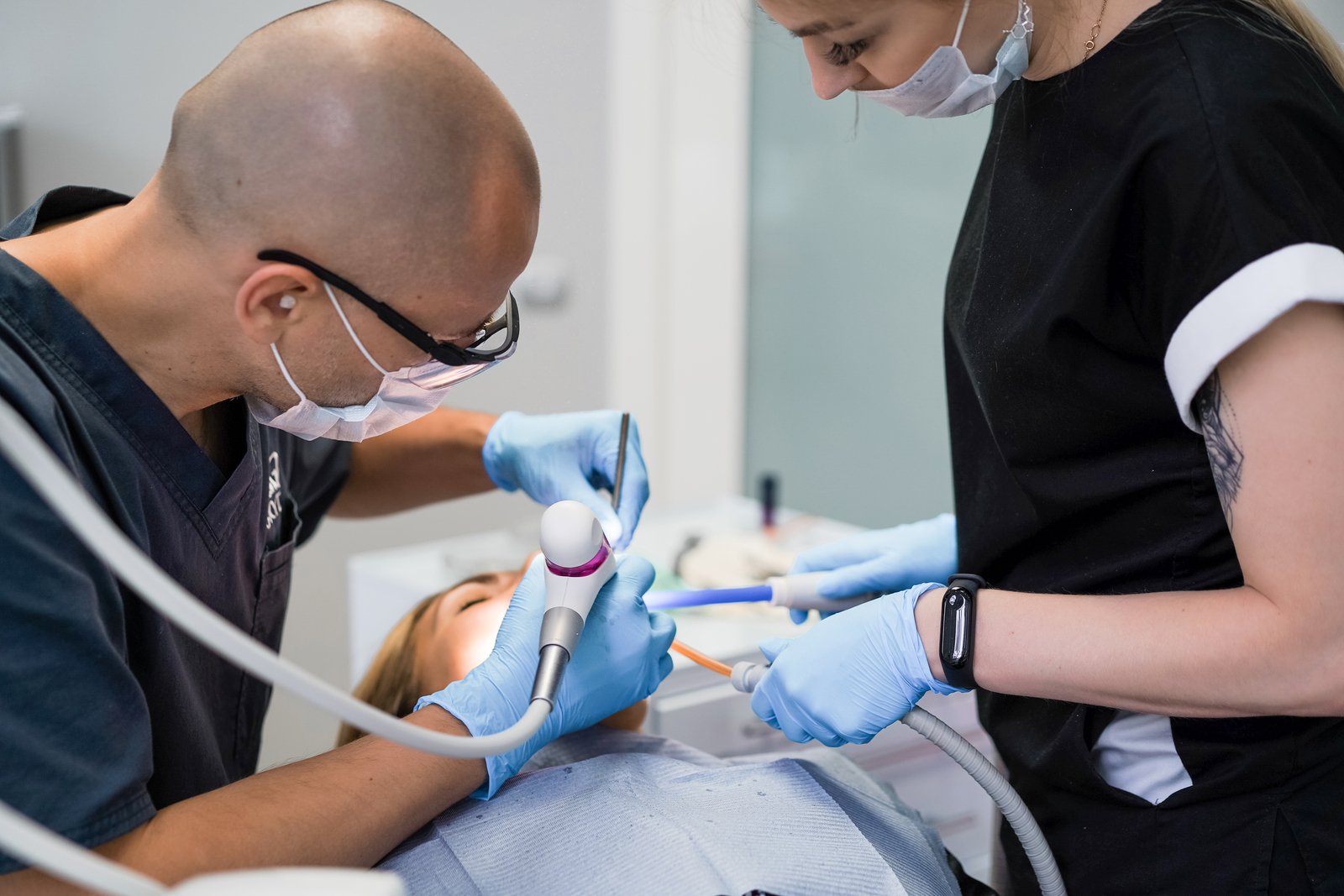
Your dental provider may examine the appearance of your gums, look for inflammation, measure periodontal pockets, review your medical history, and use dental X-rays when appropriate. These findings help determine whether you have gingivitis, periodontitis, or another condition.
If your condition requires specialized periodontal care, your dentist may also recommend evaluation by a periodontist.
A cosmetic dentist in Carlisle may also help patients who have concerns about the appearance of their gumline, but cosmetic goals should come after addressing active oral health problems.
Frequently Asked Questions
1. What are the first signs of gum disease?
Early signs can include red, swollen, tender, or bleeding gums. Persistent bad breath can also occur. Early attention may help prevent the condition from becoming more serious.
2. Can gum disease be treated?
Yes. Treatment depends on the type and severity of the condition. Professional cleaning and improved home care may help manage early plaque-related gingivitis, while more advanced periodontal disease may require additional treatment.
3. Is gum disease reversible?
Plaque-related gingivitis is generally reversible with appropriate oral hygiene and professional care. Periodontitis can cause permanent damage to the tissues and bone supporting teeth, so early evaluation remains important.
4. How often should I clean between my teeth?
NIDCR recommends cleaning between your teeth regularly, aiming for once a day. Floss, interdental brushes, or another method recommended by your dental professional can help remove plaque from areas a toothbrush cannot reach.
5. Does diabetes affect gum health?
Yes. People with diabetes have a higher risk of periodontal disease, and poorly controlled blood glucose can make oral problems more difficult to manage.
6. When should I see a dentist for bleeding gums?
If your gums bleed repeatedly, look swollen or red, or show other changes, schedule a dental evaluation. A professional can identify the cause and determine whether you need gum disease treatment in Carlisle or routine preventive care.
Final Thoughts
Gum disease often starts with symptoms that seem minor: a little bleeding, some swelling, or breath that refuses to cooperate.
Those signs deserve attention.
Early gingivitis can often be reversed with appropriate oral hygiene and professional care. More advanced periodontitis requires professional management to control the disease and protect the tissues supporting your teeth.
If you are researching gum disease treatment in Carlisle, do not wait until a tooth becomes loose or chewing becomes painful. Getting an examination early gives your dental team a better opportunity to identify the problem, explain your options, and help protect your natural teeth.
The best time to take care of your gums is before they become a bigger problem. Your future smile will probably appreciate the effort.