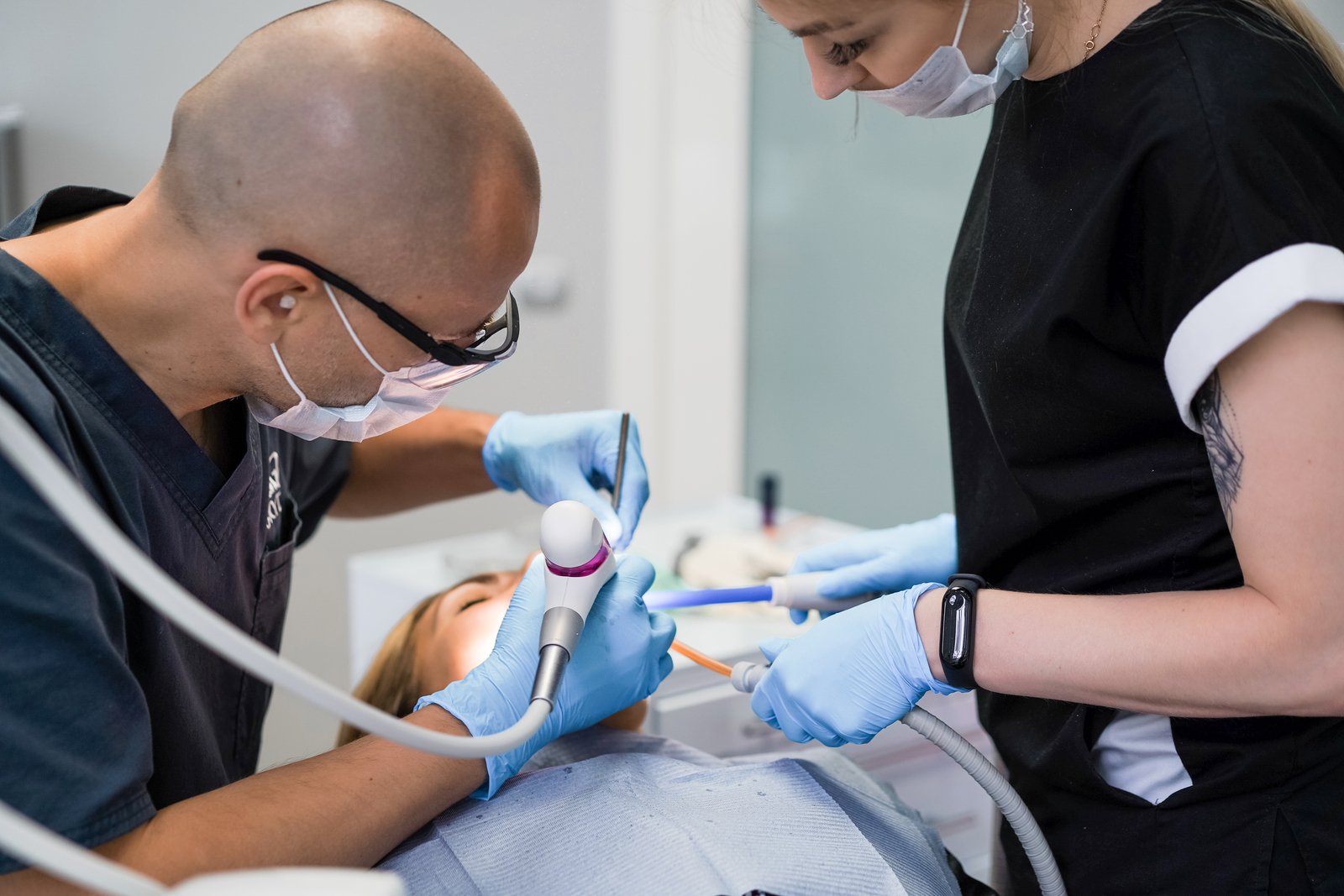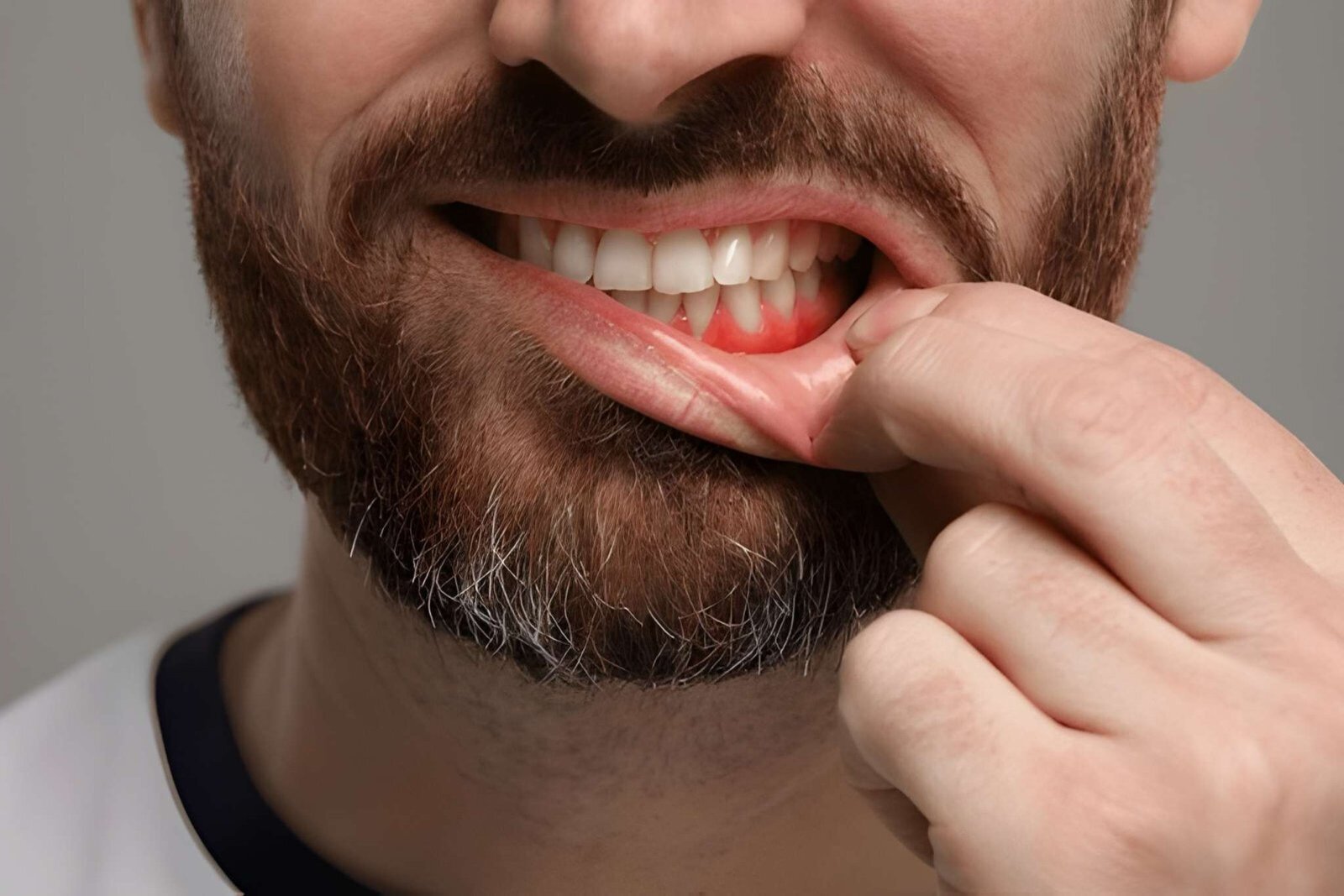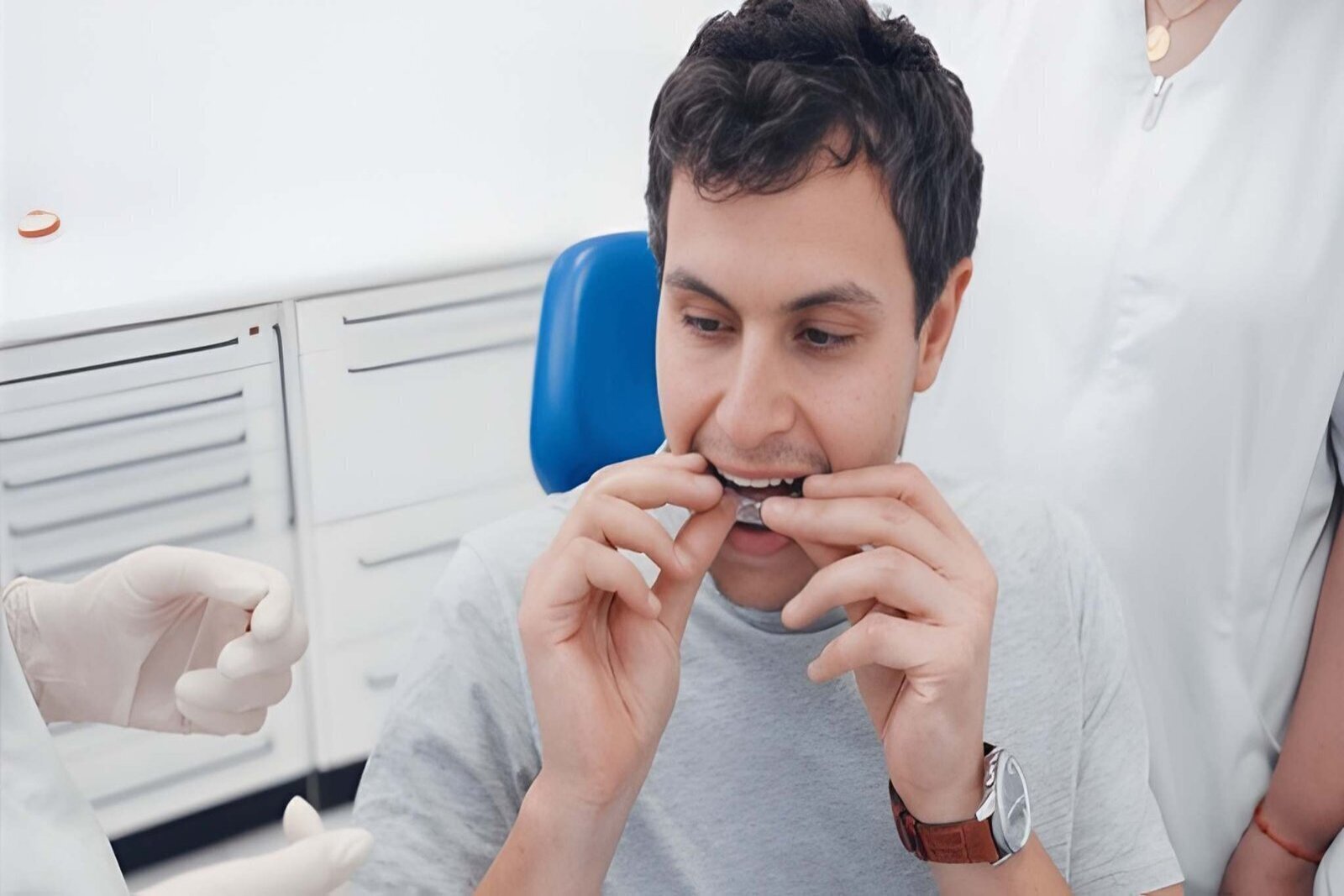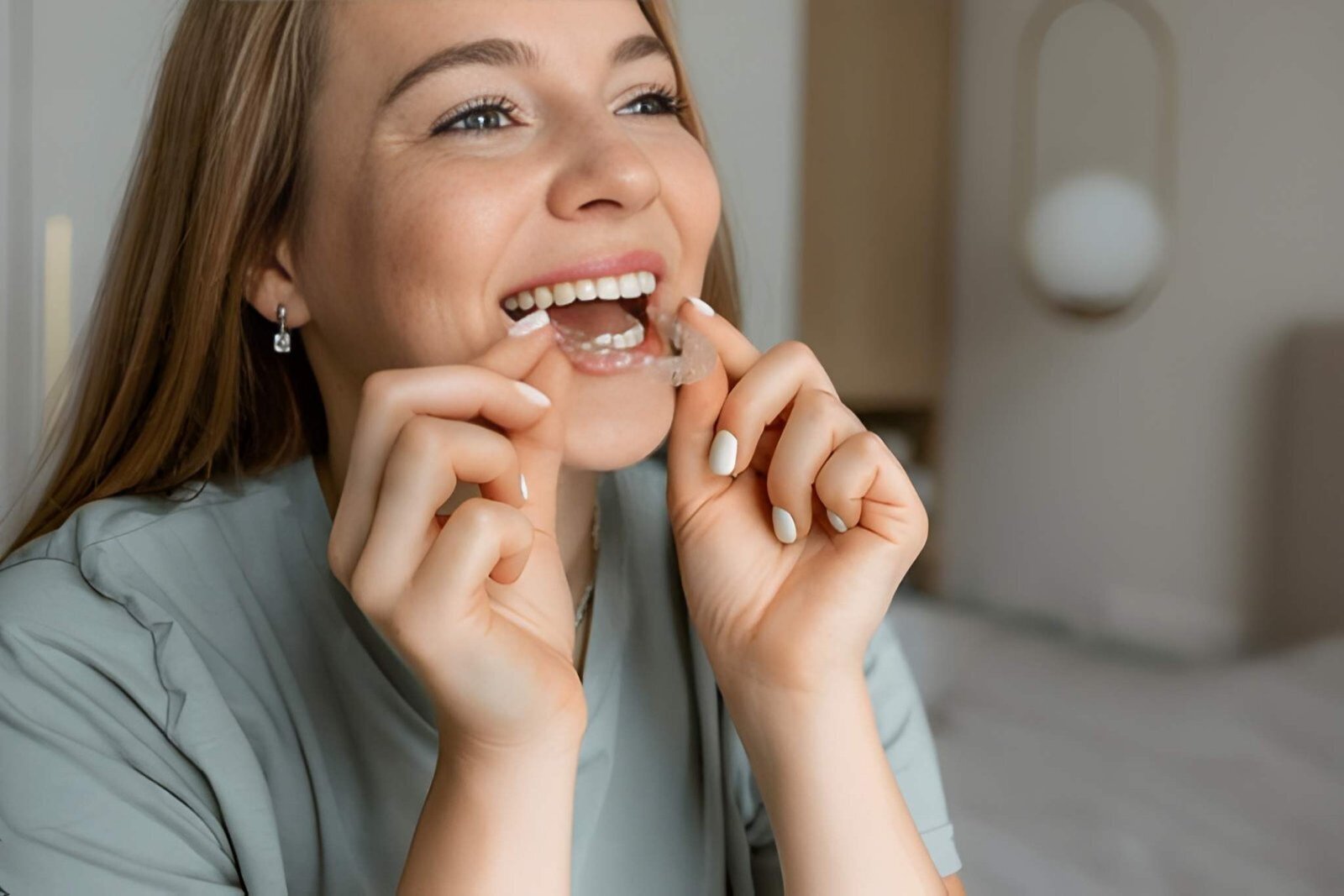
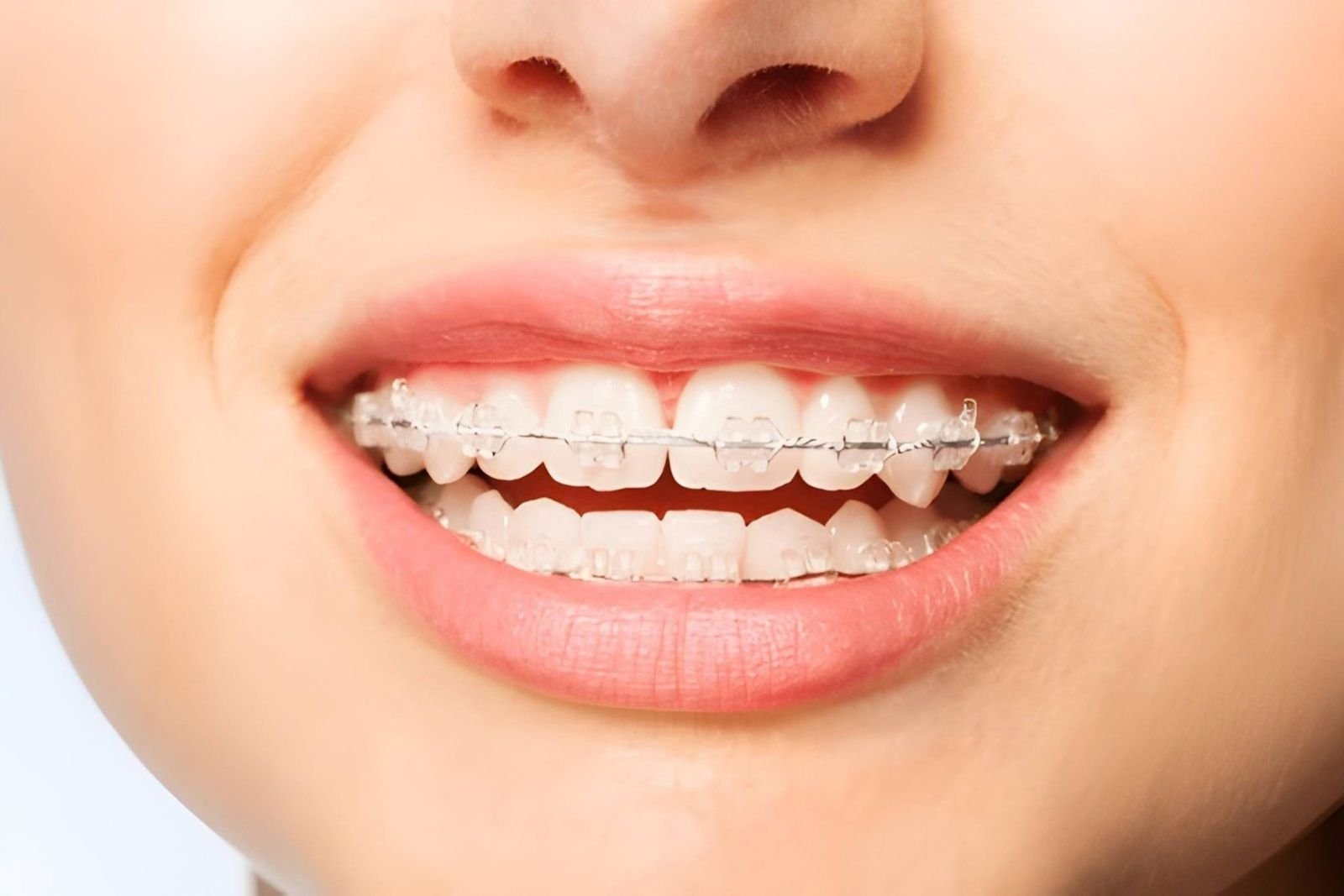
If you are considering orthodontic treatment, one question probably comes up before almost anything else: Will clear braces hurt? The good news is that clear braces generally cause temporary discomfort rather than severe pain. Your teeth need to move, and your mouth will notice that change. Think of it as your teeth receiving a very polite “time to move over” message.
Clear ceramic braces use brackets and wires to apply controlled forces that gradually reposition teeth. Some tenderness can occur when treatment begins or when your orthodontist adjusts the appliance. Research on orthodontic pain shows that discomfort often increases during the first day and gradually decreases during the following days.
If you are researching Clear braces in Carlisle, understanding what discomfort feels like, how long it usually lasts, and what you can do about it can make the treatment process feel much less intimidating.
What Are Clear Braces?
“Clear braces” can refer to more than one type of orthodontic treatment.
Some patients use the term to describe clear aligners. These are removable, custom-made trays that fit over the teeth. Other patients may mean ceramic braces, which use tooth-coloured brackets and wires instead of traditional metal ones.
Both options aim to improve tooth alignment, but the treatment process differs. Your orthodontist can explain which system is suitable based on your bite, tooth position, gum health, and treatment goals.
An Orthodontist in Carlisle PA can assess your smile and explain whether clear aligners or ceramic braces are appropriate. Choosing treatment based only on appearance may sound tempting, but comfort, effectiveness, and long-term oral health matter too.
Do Clear Braces Hurt?
Clear braces usually do not cause intense pain. Instead, you may notice:
- Pressure around certain teeth.
- Tenderness when biting.
- A dull ache during the first few days.
- Mild gum or cheek irritation.
- Tightness when wearing a new aligner.
The American Association of Orthodontists says mild discomfort is common during the first few days of wearing aligners. It also notes that patients may need about a week to adjust to having something new in the mouth.
The British Orthodontic Society explains that orthodontic treatment can cause aching and tenderness as the teeth begin to move. This discomfort normally settles within a few days, although the experience varies from person to person.
So, will clear braces in Carlisle be completely sensation-free? Probably not. But for most people, the discomfort is temporary and manageable. Think of it as your teeth receiving a very polite moving-day notice.
When Does Discomfort Begin?
Discomfort may begin a few hours after your appointment rather than immediately. This happens because the teeth gradually respond to the pressure from the aligner, bracket, or wire.
If you are wearing clear aligners, a new tray may feel tight at first. That tightness should usually reduce as your teeth and mouth adjust. You may feel more pressure around the teeth that are scheduled to move during that stage.
Patients wearing ceramic braces may notice soreness after the brackets and wires are placed. The lips, cheeks, or tongue may also need time to adjust to the appliance.
The soreness is often most noticeable during the first 24 to 48 hours. It commonly improves over the following few days. NHS guidance states that teeth may feel uncomfortable after braces are fitted or adjusted and recommends softer foods and suitable pain relief when needed.
What Happens During Treatment?
Your exact experience depends on the type of clear orthodontic treatment you receive.
During clear aligner treatment
A clear aligner appointment is generally straightforward. Your provider will check your teeth, review your treatment progress, and give you the next aligners when appropriate.
Each new aligner may create pressure in a slightly different area. You could notice tenderness when chewing or a feeling that one or two teeth are more sensitive than usual.
Removing aligners for meals can make eating easier. However, you must wear them according to your orthodontist’s instructions. Taking them out too often may affect your progress.
During ceramic brace treatment
Ceramic braces remain attached to your teeth throughout treatment. You may experience soreness after the appliance is fitted or adjusted.
The brackets can also rub against the inside of your lips and cheeks at first. Orthodontic wax may help cushion areas that feel irritated. Ask your provider how to use it correctly.
An Orthodontist in Carlisle PA can also show you how to clean around brackets, wires, and other components. Good cleaning helps protect your teeth and gums during treatment.
Interesting Read: How Braces Transform Your Smile: The Results Are Worth It!
What Does the First Week With Clear Braces Feel Like?
1. The First Few Hours
Immediately after your braces are placed, your teeth may feel normal or slightly different. As the orthodontic force begins to affect the teeth, you may notice pressure or tenderness.
You may also become more aware of the brackets against your cheeks and lips. Your mouth needs some time to get used to having new hardware inside it.
2. The First Day
For many patients, the first day brings the most noticeable discomfort. Biting into firm foods may feel uncomfortable because your teeth can become sensitive to pressure.
Research on fixed orthodontic treatment supports this general pattern, with discomfort tending to peak around the first day before declining.
Soft foods can make meals easier during this short adjustment period.
3. The Following Days
The tenderness usually begins to settle. You may still notice pressure when chewing, but everyday activities generally become easier.
This is where patience helps. Orthodontic treatment is not a race, and your teeth do not need to move overnight.
4. After Adjustments
Your orthodontist may periodically adjust your braces as treatment progresses. You can experience another short period of tenderness after these appointments.
The intensity can vary depending on the adjustment and your individual response.
Practical Ways to Feel More Comfortable
You can often make the first few days easier with simple steps.
Choose softer foods
Hard or chewy foods can make tender teeth feel worse. Try options such as:
- Yogurt.
- Oatmeal.
- Scrambled eggs.
- Soup.
- Pasta.
- Mashed potatoes.
- Smoothies.
- Soft-cooked vegetables.
The American Dental Association’s Mouth Healthy resource recommends softer foods when teeth feel sore after braces are tightened. It also advises avoiding hard, sticky, or chewy foods that may damage braces.
If you wear removable aligners, follow your provider’s instructions about eating and drinking while wearing them. Water is generally the safest choice while aligners are in place, but your orthodontist should give you specific guidance.
1. Use pain relief carefully
If you normally take an over-the-counter pain reliever for a headache, you may be able to use it for mild orthodontic discomfort. Follow the product label and check with a pharmacist or clinician if you are unsure whether it is suitable for you.
Do not place aspirin directly on your gums or teeth. It can irritate the tissue.
2. Try a warm salt-water rinse
A warm salt-water rinse may soothe mild irritation in the mouth. The AAO provides a mixture of one teaspoon of salt in eight ounces of warm water
Do not swallow the rinse. If irritation continues, ask your dental professional for advice.
3. Keep cleaning your teeth
Soreness is not a reason to stop brushing and flossing. Clean your teeth gently but thoroughly. If you wear aligners, clean the trays according to your provider’s instructions.
Good oral hygiene is especially important during orthodontic treatment. Food and plaque around brackets or under poorly cleaned aligners can increase the risk of dental problems.
Clear Braces and Cosmetic Dentistry: What’s the Connection?
Orthodontic treatment can improve more than tooth alignment. Straightening crowded or crooked teeth can make the smile easier to clean and may improve its overall appearance.
This is one reason patients sometimes explore orthodontic care alongside cosmetic dentistry in Carlisle. However, these services have different purposes.
Orthodontics focuses primarily on tooth and jaw alignment. Cosmetic dental procedures can address the appearance of teeth through treatments such as whitening, bonding, veneers, or other procedures, depending on a patient’s needs.
A dentist or orthodontist can help determine which approach makes sense for your goals. In some cases, orthodontic treatment comes first because tooth position affects what cosmetic treatment can accomplish later.
Common Myths About Clear Braces
Myth 1: Clear Braces Are Completely Pain-Free
Truth: Clear braces can cause temporary tenderness and pressure. The discomfort usually relates to tooth movement and adjustment rather than the fact that the brackets are clear.
Myth 2: More Pain Means Faster Results
Truth: Pain does not measure how quickly your teeth are moving. Orthodontic treatment relies on controlled forces and careful planning.
Myth 3: You Cannot Eat Normally During Treatment
Truth: You can eat many foods, but your orthodontist may recommend avoiding hard, sticky, or crunchy foods that could damage ceramic brackets.
Myth 4: Clear Braces Work for Every Orthodontic Problem
Truth: Orthodontic treatment must match the patient’s specific condition. Evidence shows that clear aligners can produce clinically acceptable results in some mild-to-moderate cases, but not every type of tooth movement has the same predictability.
Interesting Read: How Digital Dentistry Is Making Dental Implant Procedures More Accurate
What Should You Ask an Orthodontist Before Getting Clear Braces?
A consultation is the right time to ask practical questions rather than simply searching for the shortest treatment time online.
Consider asking:
- What type of orthodontic appliance do I need?
- How much discomfort should I expect?
- How will you monitor my progress?
- Which foods should I avoid?
- How should I clean around the brackets?
- What should I do if a bracket becomes loose?
- Are clear braces appropriate for my specific tooth alignment?
An Orthodontist in Carlisle PA can evaluate your teeth and explain whether ceramic braces suit your treatment goals.
Frequently Asked Questions
1. How long do clear braces hurt after getting them?
Most patients experience temporary tenderness after braces are placed or adjusted. Research on orthodontic treatment shows that discomfort commonly decreases during the first week.
2. Are clear braces painful when they are put on?
The placement itself should not feel like a painful procedure because the brackets are bonded to the teeth. You may notice pressure or tenderness afterward as your teeth begin responding to the orthodontic forces.
3. Can I eat normally with clear braces?
You can eat many foods, but your orthodontist may recommend avoiding hard, crunchy, and sticky foods because they can damage ceramic brackets.
4. Are clear braces better for adults?
Clear braces can appeal to adults because ceramic brackets are less noticeable than traditional metal brackets. Whether they are suitable depends on your orthodontic needs, treatment goals, and personal preferences.
5. Is discomfort a sign that orthodontic treatment is working?
Some discomfort can occur when orthodontic forces move teeth, but pain does not prove that treatment is working correctly. Your orthodontist uses examinations and treatment monitoring, not pain levels, to evaluate progress.
7. Can cosmetic dentistry replace orthodontic treatment?
Not always. Cosmetic dentistry can improve the appearance of teeth, but it does not perform the same function as orthodontic treatment for correcting tooth alignment or bite problems. A professional evaluation can help identify the appropriate approach.
8. Are clear braces more comfortable than metal braces?
Comfort varies from person to person. Clear aligners do not have wires or brackets that rub against the cheeks, but they can create pressure when a new tray is introduced. Ceramic braces may feel similar to traditional braces because they use brackets and wires.
Final Thoughts
So, are clear braces painful? They can cause temporary pressure and tenderness, especially during the first few days, but significant ongoing pain is not considered a normal goal of treatment. Evidence suggests that orthodontic discomfort generally follows a short-term pattern and decreases as the mouth adapts.
Clear braces may cause mild pressure or soreness, particularly during the first few days or after changing aligners. For most patients, this discomfort fades as the mouth adjusts.
The best way to improve comfort is to follow your treatment instructions, choose softer foods when necessary, maintain good oral hygiene, and contact your provider if pain persists or becomes severe. Whether you are exploring an Orthodontist in Carlisle PA or comparing treatment with cosmetic dentistry in Carlisle, a personalized evaluation can help you make a safe and informed decision.