A toothache can turn an ordinary day into a frustrating experience. Eating becomes uncomfortable, sleeping gets difficult, and suddenly, even your favorite snack feels like an enemy. When a damaged or infected tooth needs removal, another question comes up: Should you visit a general dentist or an oral surgeon?
Both professionals can perform tooth extractions, but their training, procedures, and approaches differ.
If you’re searching for an oral surgeon in Carlisle, PA, understanding these differences can help you choose the right professional for your dental needs.
Some teeth require straightforward removal, while others need more advanced surgical care. The decision depends on the tooth’s position, condition, surrounding bone, and your overall health.
This guide explains when a general dentist can handle an extraction, when an oral surgeon may be necessary, and what patients should expect before and after treatment.
Understanding Tooth Extraction: Dentists vs. Oral Surgeons
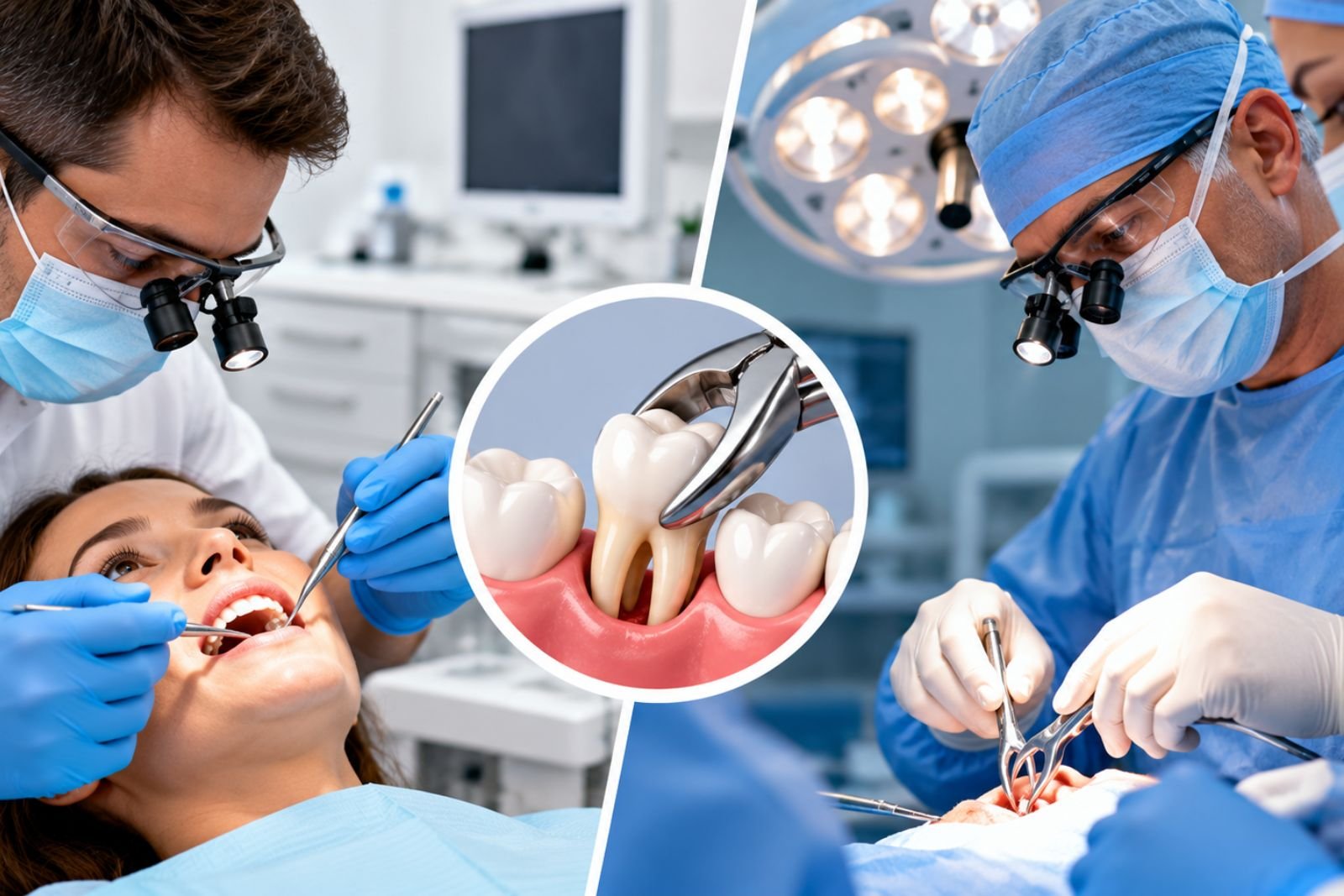
General dentists typically perform simple tooth extractions, while oral surgeons handle more complex cases. Understanding their roles helps you choose the right dental care for your needs.
1. What Is Tooth Extraction, and Why Is It Necessary?
Tooth extraction involves removing a tooth from its socket in the jawbone.
Dentists usually try to preserve natural teeth whenever possible. However, extraction sometimes becomes necessary when a tooth cannot be restored or threatens surrounding oral health.
Common reasons include:
- Severe tooth decay: Extensive damage may leave insufficient healthy tooth structure for restoration.
- Advanced gum disease: Periodontal disease can weaken the tissues and bone supporting teeth.
- Broken teeth: A fracture extending below the gumline may make restoration difficult.
- Impacted wisdom teeth: Some teeth cannot emerge normally because of their position.
- Dental infections: Certain infections require extraction when treatment cannot save the tooth.
- Orthodontic treatment: Selected cases may require tooth removal to create space.
According to the American Dental Association (ADA), dentists consider several treatment options when evaluating damaged or diseased teeth.
For patients considering tooth extractions in Carlisle, a dental examination and appropriate imaging help determine whether removal is necessary.
Importantly, not every painful tooth needs extraction. Root canal treatment, crowns, or other restorative procedures may preserve the natural tooth.
2. What Does a General Dentist Do During Tooth Extraction?
General dentists diagnose oral health problems and provide preventive, restorative, and certain surgical dental treatments.
Many general dentists routinely perform uncomplicated extractions.
During a straightforward procedure, the dentist first examines the tooth and reviews relevant X-rays.
The dentist then numbs the area using local anesthesia. Once the patient feels comfortable, the dentist loosens the tooth with dental instruments and carefully removes it.
The procedure typically involves these steps:
- Reviewing the patient’s medical and dental history.
- Examining the affected tooth and surrounding tissues.
- Administering local anesthesia.
- Loosening and removing the tooth.
- Controlling bleeding and providing recovery instructions.
Patients may notice pressure during removal, but adequate local anesthesia should prevent sharp pain.
If the extraction appears complicated, a general dentist may recommend a specialist.
Many Carlisle dentistry practices evaluate tooth pain, diagnose dental infections, and determine whether patients need routine extraction or advanced surgical treatment.
3. What Is an Oral Surgeon, and How Is Their Training Different?
An oral and maxillofacial surgeon is a dental specialist who receives additional hospital-based surgical training after dental school.
In the United States, oral and maxillofacial surgery residency programs generally last four to six years.
These specialists receive advanced training in procedures involving the mouth, jaws, face, and related structures.
Their work may include:
- Surgical tooth extractions.
- Impacted wisdom tooth removal.
- Dental implant placement.
- Jaw surgery.
- Certain facial injuries.
- Oral pathology procedures.
- Management of complex surgical conditions.
The American Association of Oral and Maxillofacial Surgeons (AAOMS) provides patient education about oral surgery, wisdom teeth, and specialist training.
An oral surgeon in Carlisle, PA may be appropriate when a tooth has an unusual position, lies close to important anatomical structures, or requires a complex surgical approach.
However, specialist care does not automatically mean every procedure will be more difficult or painful.
The surgeon’s role is to assess the situation and choose an appropriate treatment approach.
Interesting Read: What Does an Oral Surgeon Do? A Complete Guide for Patients
4. Simple vs. Surgical Tooth Extraction: What’s the Difference?
The biggest difference between simple and surgical extraction involves access to the tooth and the techniques necessary for removal.
Simple tooth extraction
A simple extraction usually involves a visible tooth that the dentist can access and remove without making a surgical incision.
General dentists commonly perform these procedures.
Surgical tooth extraction
Surgical extraction may require an incision in the gum, removal of a small amount of surrounding bone, or division of the tooth into sections.
These techniques help the clinician remove teeth that are difficult to access.
| Factor | Simple extraction | Surgical extraction |
| Tooth position | Usually visible and accessible | May be impacted, broken, or difficult to access |
| Gum incision | Usually unnecessary | May be necessary |
| Bone removal | Usually unnecessary | Sometimes required |
| Provider | Often a general dentist | General dentist with appropriate training or oral surgeon |
| Recovery | Often less involved | May involve more swelling and recovery time |
The type of extraction depends on the clinical situation, not simply the professional’s title.
Patients seeking tooth extractions in Carlisle should ask their dental provider which technique is appropriate and why.
5. When Should You See a Dentist Instead of an Oral Surgeon?
A general dentist is often the right starting point for tooth pain, damaged teeth, or suspected dental infections.
You may not need specialist treatment when:
- The affected tooth is fully visible.
- The tooth has accessible roots.
- The extraction appears straightforward.
- You have no significant medical complications.
- Your dentist has the training and equipment to perform the procedure safely.
For example, imagine a patient has a severely decayed molar that cannot support a crown.
If the tooth remains accessible and the roots have a manageable shape, a general dentist may remove it successfully.
A dentist can also explain whether root canal treatment could preserve the tooth.
Choosing a provider involves more than convenience.
A qualified dental professional should explain the diagnosis, treatment alternatives, expected recovery, and potential complications before proceeding.
Patients exploring Carlisle dentistry services can begin with a comprehensive dental examination rather than deciding independently that they need surgery.
6. When Is an Oral Surgeon the Better Choice?
Some dental conditions require more advanced surgical planning.
An oral surgeon may be especially helpful when a tooth is impacted, fractured beneath the gums, or located near sensitive anatomical structures.
Common situations include:
1. Impacted wisdom teeth
Wisdom teeth may remain partially or completely trapped beneath gum tissue or bone.
Some impacted teeth cause pain, infection, or damage to neighboring teeth. Others remain symptom-free and may only require monitoring.
2. Complex root anatomy
Teeth with curved, unusually shaped, or difficult-to-access roots can complicate extraction.
3. Teeth broken below the gumline
When little tooth structure remains above the gums, surgical techniques may be necessary.
4. Significant medical concerns
Certain medical conditions, medications, or anesthesia requirements can make specialist evaluation appropriate.
5. Removal near important nerves
Some lower wisdom teeth lie close to the inferior alveolar nerve. Imaging helps clinicians assess potential risks.
A referral to an oral surgeon in Carlisle, PA may help patients manage these situations with appropriate surgical planning.
The decision should follow a clinical assessment rather than assumptions about which provider is always better.
7. Does Tooth Extraction Hurt? Understanding Anesthesia Options
Fear of pain is one of the biggest reasons people delay dental treatment.
Fortunately, modern dental anesthesia helps make extractions more comfortable.
For many routine procedures, local anesthesia provides sufficient pain control.
Patients may feel pressure or movement, but they should tell their dentist immediately if they experience sharp pain.
More complicated procedures may involve additional anesthesia options, depending on the patient’s needs and medical history.
These may include:
- Local anesthesia to numb the treatment area.
- Nitrous oxide to help reduce anxiety.
- Oral sedation for selected patients.
- Intravenous sedation for suitable procedures.
- General anesthesia when clinically appropriate.
Not every dental office provides every sedation option.
The AAOMS explains that oral and maxillofacial surgeons receive extensive anesthesia training during their surgical residencies.
Before treatment, discuss your medications, medical conditions, allergies, and previous anesthesia experiences.
Remember, the goal isn’t to prove how brave you are in the dental chair. It’s to receive appropriate treatment safely and comfortably.
8. What Happens After Tooth Extraction? Recovery and Aftercare
Recovery depends on the type of extraction, your overall health, and how closely you follow postoperative instructions.
After removing a tooth, your body forms a blood clot inside the socket. This clot protects the underlying tissues and supports healing.
Protecting it is important.
The American Dental Association recommends several precautions after tooth removal.
Helpful recovery practices include:
- Bite on gauze as your dental professional directs to control bleeding.
- Avoid smoking and tobacco products.
- Avoid vigorous rinsing immediately after extraction.
- Choose soft foods during early recovery.
- Drink water and follow your dentist’s instructions about using straws.
- Avoid disturbing the extraction site with your tongue or fingers.
- Take recommended pain medication according to professional guidance.
Some discomfort, swelling, and minor bleeding can occur during normal recovery.
However, worsening pain several days after extraction may indicate a complication called dry socket.
According to MedlinePlus, dry socket occurs when the protective blood clot fails to remain in place or develop properly, exposing sensitive underlying tissues.
Contact your dental provider if you experience increasing pain, persistent bleeding, fever, or worsening swelling.
Seek emergency medical care for difficulty breathing or swallowing, rapidly spreading swelling, or bleeding that will not stop.
9. How to Choose the Right Dental Professional
Choosing between a general dentist and an oral surgeon should begin with a proper diagnosis.
A dental professional can assess the affected tooth, review X-rays, explain treatment options, and determine whether specialist care is necessary.
Before scheduling tooth extractions in Carlisle, consider asking:
- Can you save my natural tooth?
- Will I need a simple or surgical extraction?
- Do I need an oral surgeon referral?
- What anesthesia options are appropriate?
- What complications should I understand?
- How long might recovery take?
- What replacement options should I consider after extraction?
You should also ask about treatment costs and insurance coverage before the procedure whenever possible.
For patients researching Carlisle dentistry, selecting a practice that explains treatment clearly and provides appropriate referrals can make the experience less stressful.
Good dental care involves more than removing a problematic tooth. It also includes protecting your remaining teeth, supporting healing, and planning for long-term oral health.
Recovery Tips After a Tooth Extraction
Healing starts immediately after the procedure. Follow your provider’s instructions, but these general steps support a smoother recovery:
- Bite gently on gauze to control bleeding.
- Avoid smoking, vaping, and drinking through straws.
- Eat soft foods for the first day or two.
- Do not rinse vigorously during the first 24 hours.
- Use prescribed or recommended pain relief as directed.
- Keep the area clean only as instructed by your provider.
- Contact the office if bleeding, swelling, fever, or pain worsens.
Dry socket can occur when the blood clot at the extraction site becomes dislodged or fails to form properly. It can be painful, so protecting the clot during early healing matters.
How to Decide Who to See
Use this simple rule:
- Start with your general dentist for a routine, visible tooth that needs removal.
- Ask for an oral surgeon if the tooth is impacted, fractured below the gumline, surgically complex, or if you need sedation.
- Follow your dentist’s referral if they recommend a specialist. They have seen your X-rays and know your case.
Your dentist is like your family doctor for teeth. Your oral surgeon is the specialist you call when the job requires more surgical expertise. Both roles matter, and the best outcome often comes from them working together.
Dentist or Oral Surgeon: Which Is Right for You?
Both general dentists and oral surgeons play important roles in dental care.
A general dentist can often perform straightforward extractions, while an oral and maxillofacial surgeon offers specialized training for more complex surgical situations.
If you’re considering an oral surgeon in Carlisle, PA, start with a professional dental evaluation to determine whether specialist treatment is necessary.
Frequently Asked Questions
1. Can a regular dentist perform tooth extraction?
Yes. General dentists commonly perform simple extractions and may handle certain surgical extractions depending on their training and experience.
2. Is an oral surgeon necessary for wisdom tooth removal?
Not always. The need for a specialist depends on the tooth’s position, root structure, and surgical complexity.
3. Is surgical tooth extraction more painful?
Not necessarily. Appropriate anesthesia helps control pain during both procedures, although surgical extractions may involve more postoperative discomfort.
4. How long does tooth extraction recovery take?
Initial soft-tissue healing often takes one to two weeks, although recovery varies. Complete bone healing takes longer.
5. Can a badly damaged tooth be saved instead of removed?
Sometimes. Root canal treatment, crowns, or other restorative procedures may preserve the tooth, depending on the damage.
6. What happens if I delay a necessary tooth extraction?
Delaying treatment may allow infection, pain, or surrounding tissue damage to worsen. A dentist can assess how urgently you need care.
7. What should I avoid after tooth extraction?
Avoid smoking, vigorous rinsing, disturbing the socket, and other activities your dentist advises against during early healing.